
Articles
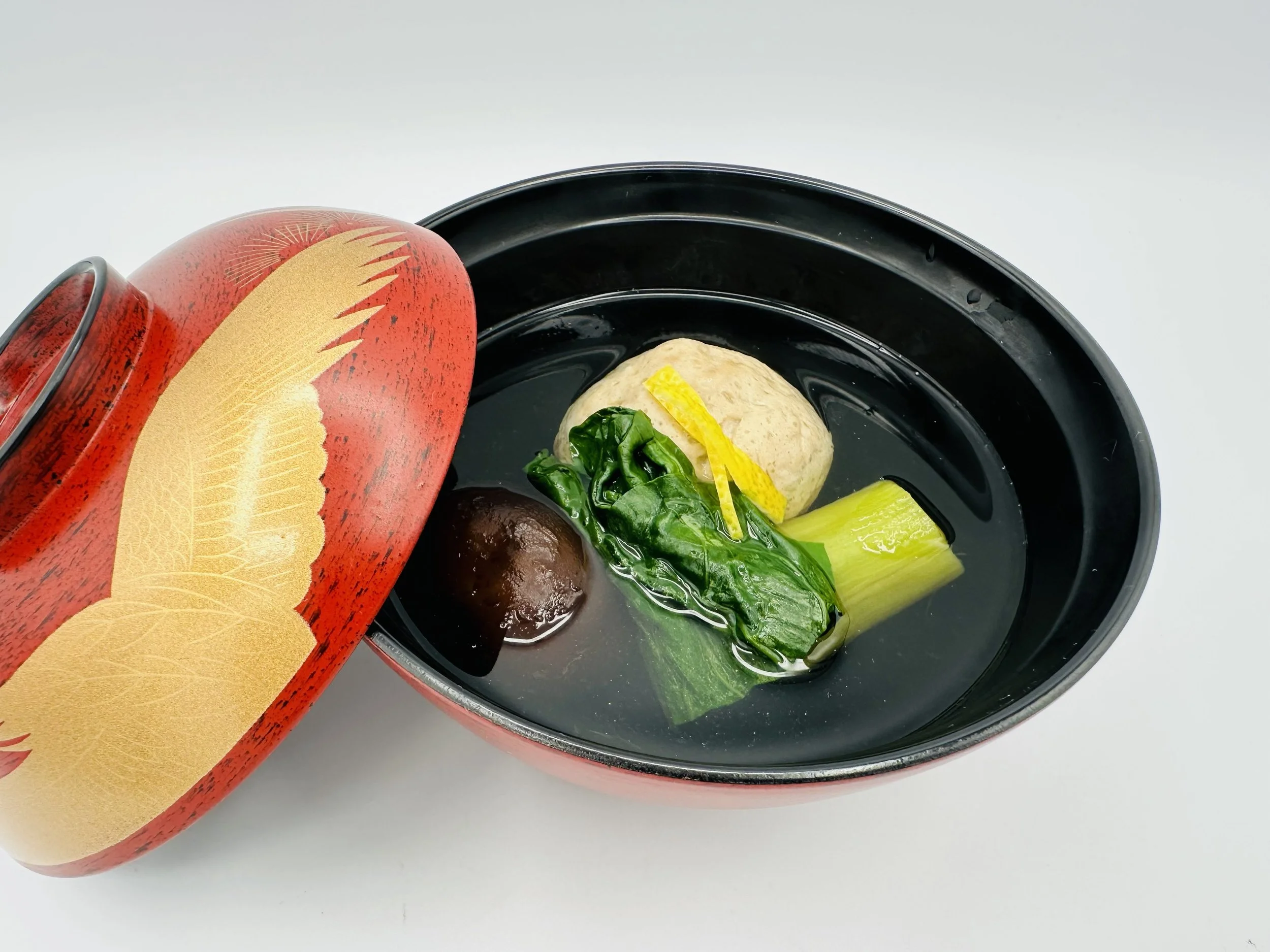
Hisuinasu — The Ultimate Autumn Eggplant
By Hiroko Shimbo Beitchman, September 18, 2026
Hisuinasu is a refined autumn dish in which eggplant is fried, peeled, and served in flavored dashi stock. In fall, eggplant exposed to alternating cool and warm air develops richer flavor, thinner, more delicate skin, and higher moisture content. These conditions create the perfect environment for this traditional technique.
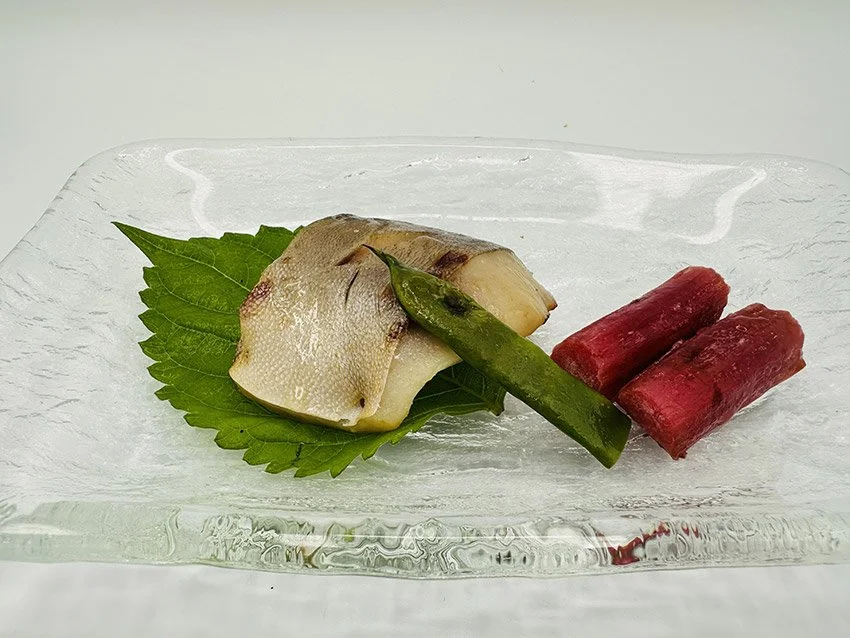
Saikyo Miso-Marinated Golden Pomfret
By Hiroko Shimbo Beitchman, August 29, 2026
Miso has been one of the most important seasonings in the Japanese kitchen for centuries. The earliest known forms of miso used in the Imperial Court date to the eighth century. Throughout Japanese history, miso served not only as a seasoning and condiment but also as a preservative and marinade.
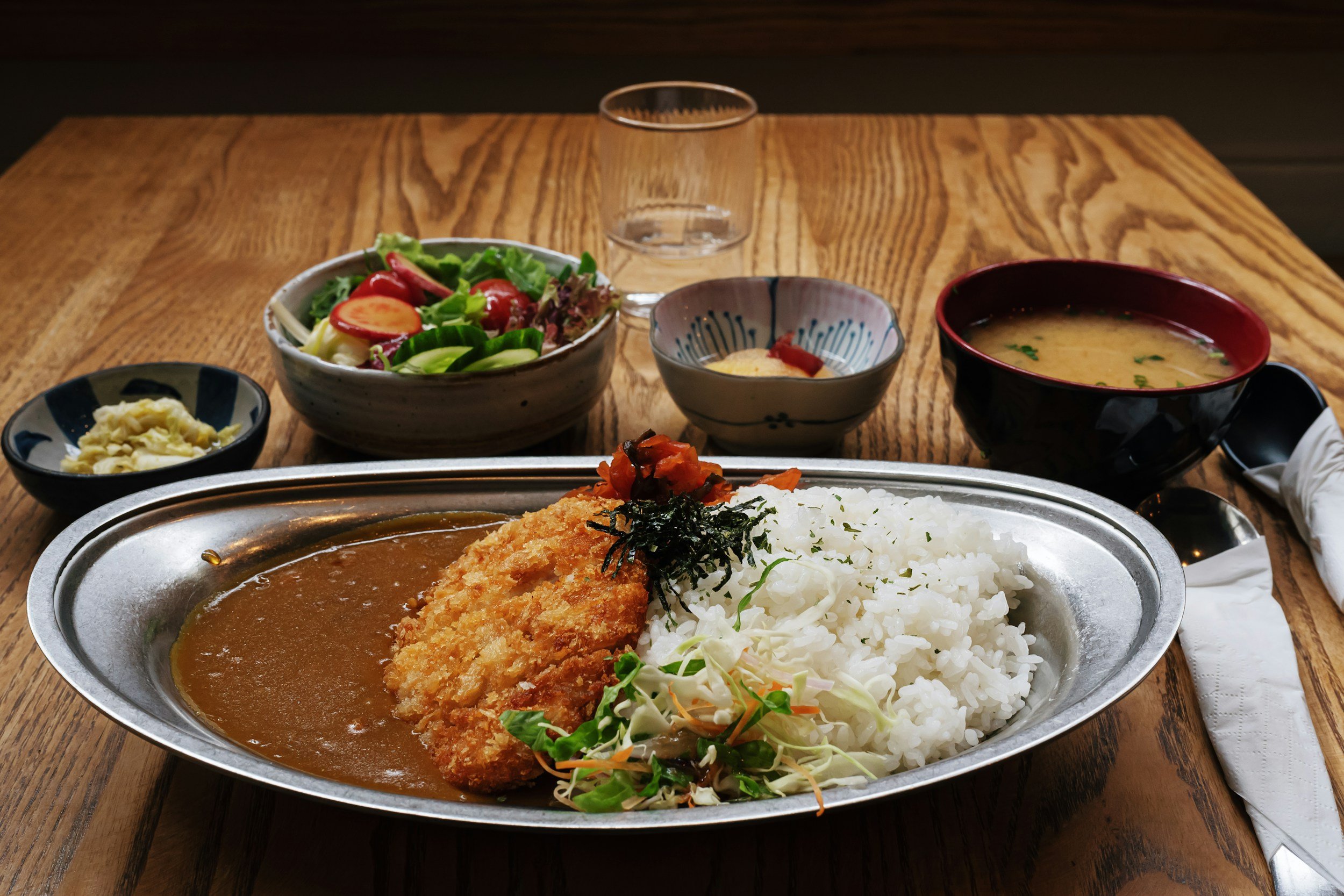
Tracing Japan's Curry Obsession, Part 1
By Sam Lozoff, August 1, 2026
Curry routinely ranks among Japan’s most popular and most consumed foods. It’s now a staple on dinner tables, a favorite at school lunches, and an enmeshed part of the country’s restaurant industry. But curry’s journey to becoming one of Japan’s national dishes is a story of globalization, migration, and a relentless drive for adaptation.
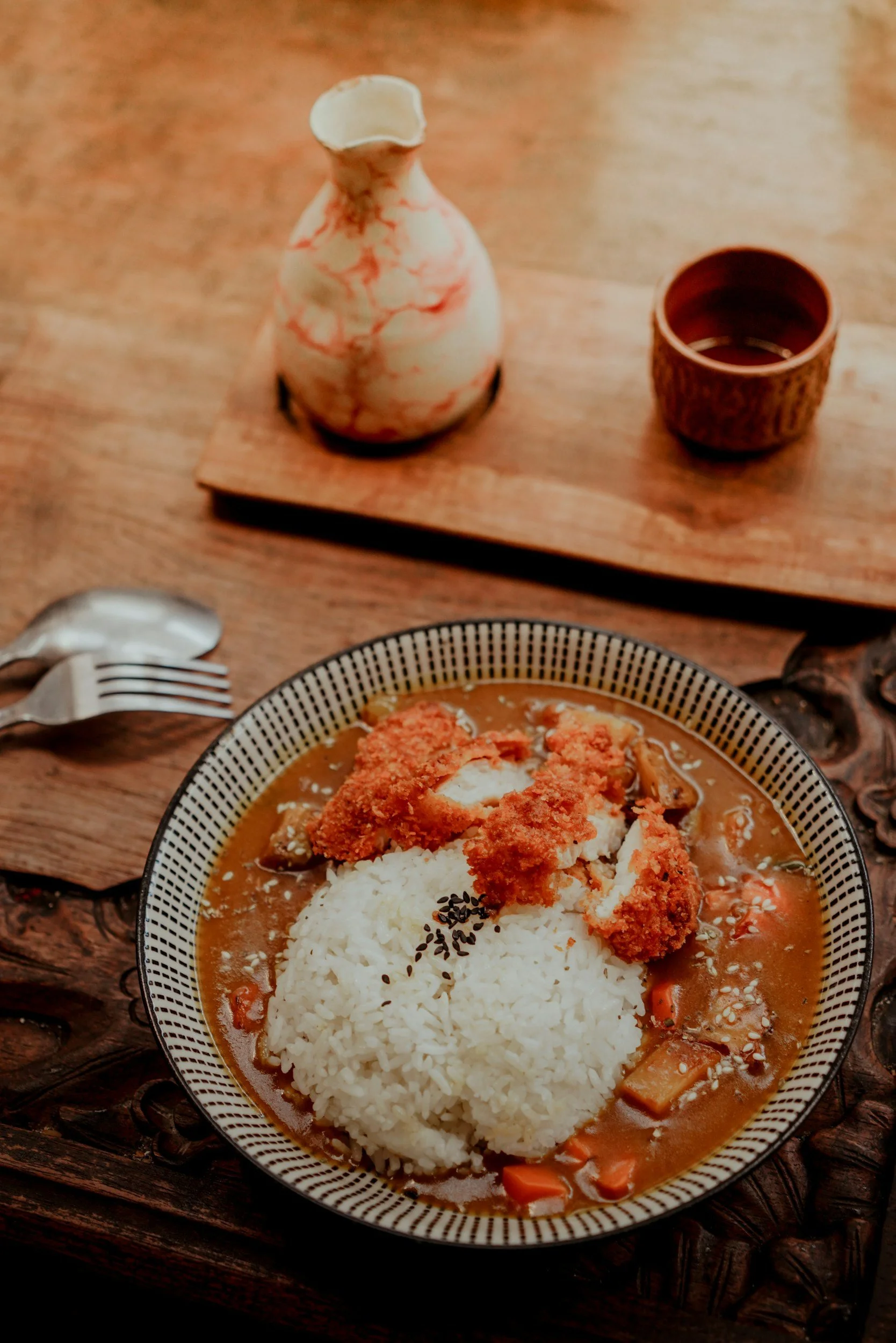
Tracing Japan's Curry Obsession, Part 2
By Sam Lozoff, August 15, 2026
It was this newfound spice obsession combined with new migration patterns from South Asia emerging around the turn of the 21st century which solidified Japan’s love of curry and fueled its expansion outside of the instant, roux-based recipes popularized in the mid-20th century.
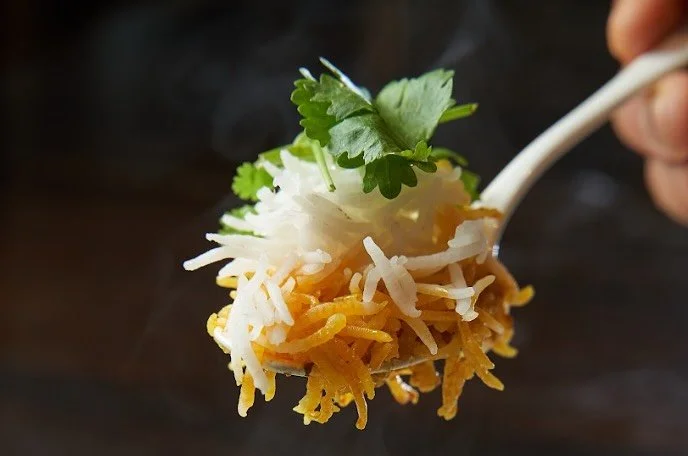
Tracing Japan's Curry Obsession, Part 3
By Sam Lozoff, August 30, 2026
In Japan, the cuisines of South Asia are on a generational run. More than ever, the flavors of the Indian sub-continent have permeated the country and inspired home-grown interpretations that extend far beyond the brown roux sauces popularized nearly 75 years ago. And it was “spice curry” – born in Osaka in the early 2000s – that became the new medium of curry expression. It became known for lighter textures, heightened aromatics, and less adherence to a particular country of origin. Chefs began experimenting with plating and flavor combinations rarely seen before in Japanese-operated restaurants.
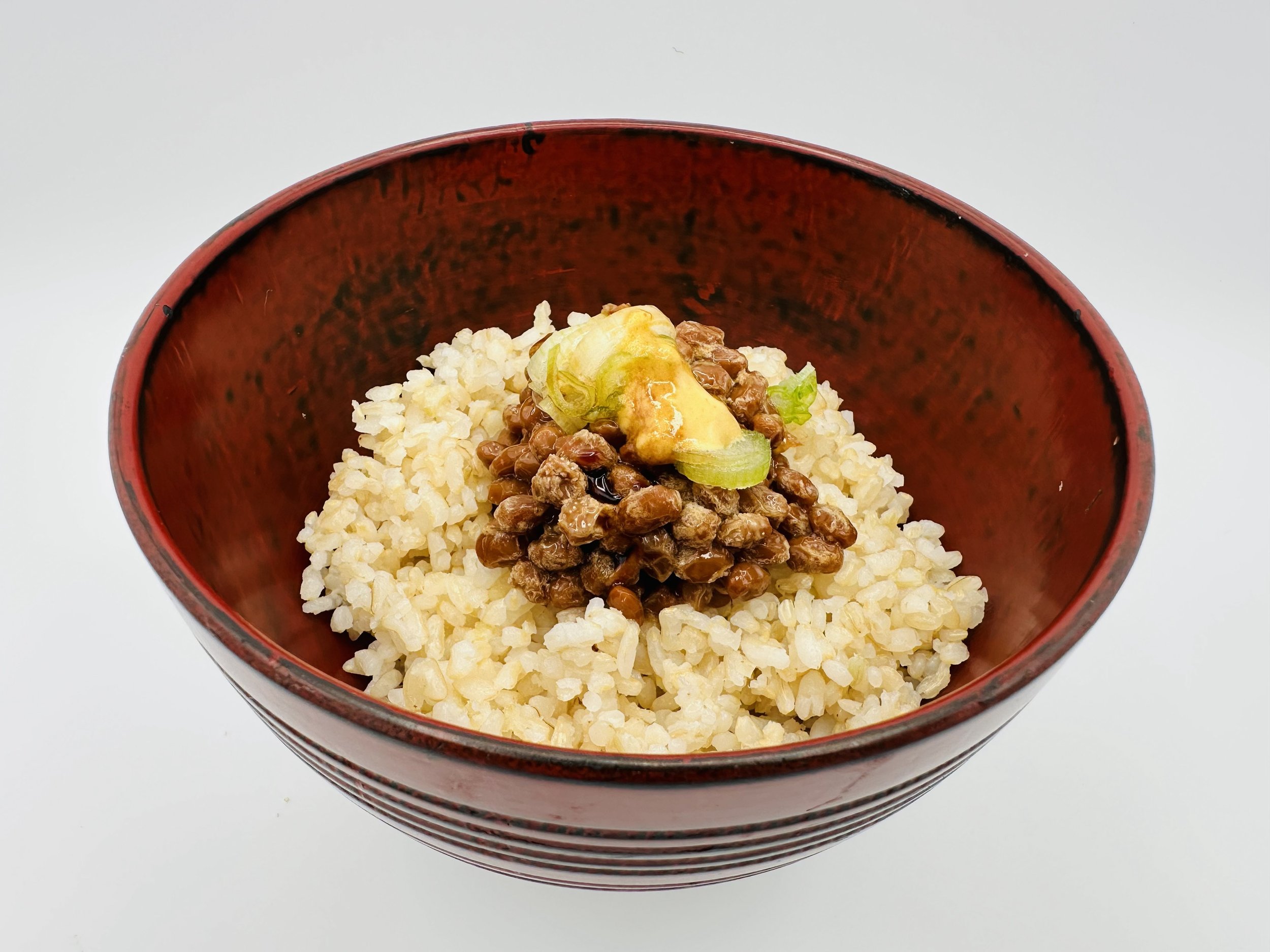
Fermentation, Natto, and the Microbiome: A Conversation with Ann Yonetani
By Hiroko Shimbo Beitchman, July 21, 2026
Ann Yonetani’s path to natto began long before she founded NYrture in 2014. With a PhD in microbiology from Columbia University, she spent two decades working in research labs. One subject captivated her more than any other: the gut microbiome. Natto was familiar from childhood trips to Japan to visit family, but it remained largely unknown in the United States. Ann realized there was an opportunity to bring fresh, high-quality natto to New York. That eventually became her natto production company, NYrture.
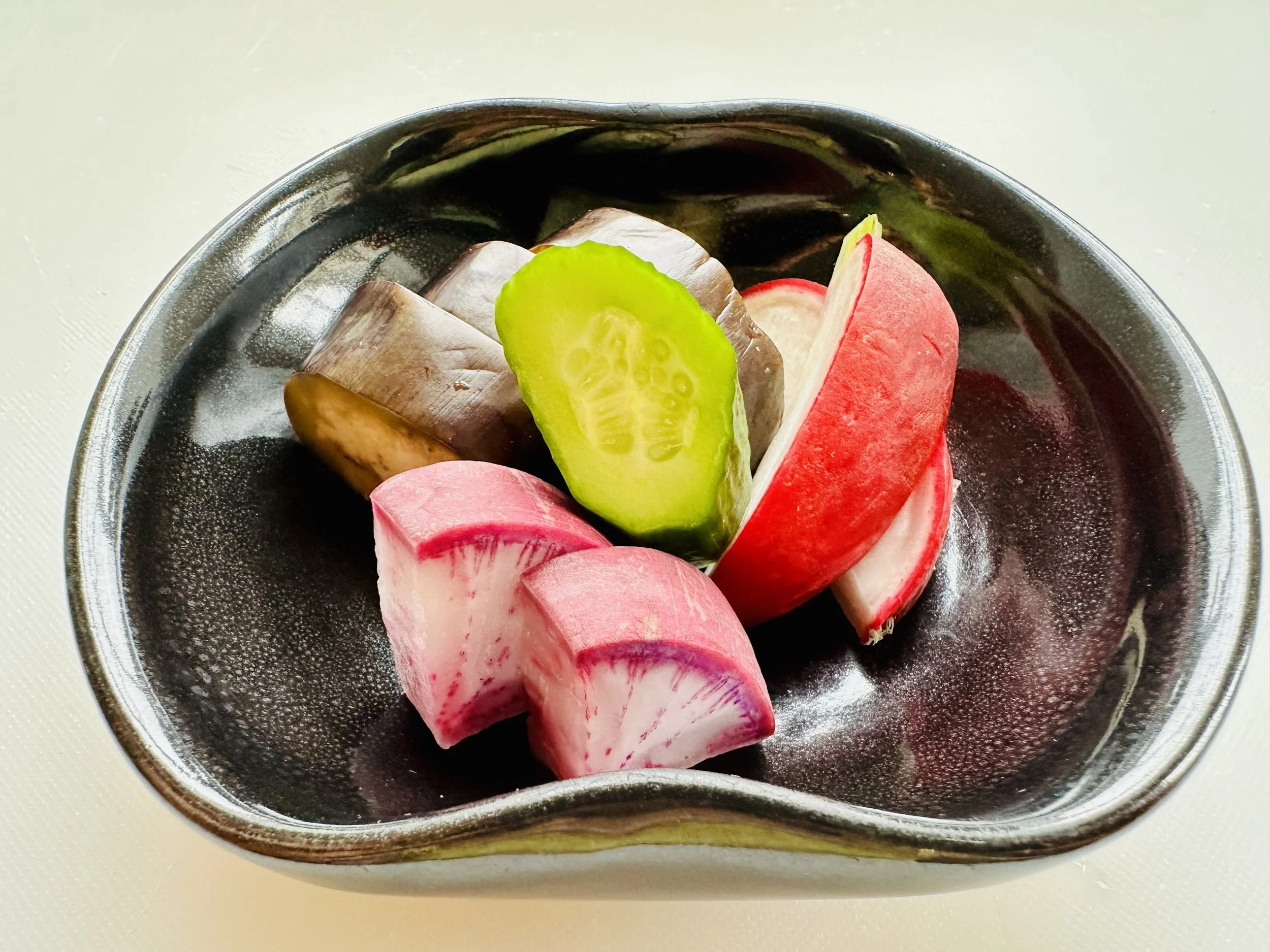
Nukazuke: Summer Tsukemono and the Science of Gut Health
By Hiroko Shimbo Beitchman, July 3, 2026
Tsukemono—Japanese pickled vegetables—is inherently seasonal, its character shaped by temperature, humidity, and the shifting behavior of microbes. There are two principal types of summer pickles—asazuke and nukazuke—both quick pickles meant to be eaten within hours. This article focuses on the art of making nukazuke, which follows a completely different process: the vegetables are pickled in an already prepared, fermented rice‑bran bed. Learn how to make nukadoko, pickle vegetables in nukadoko, and manage nukadoko.
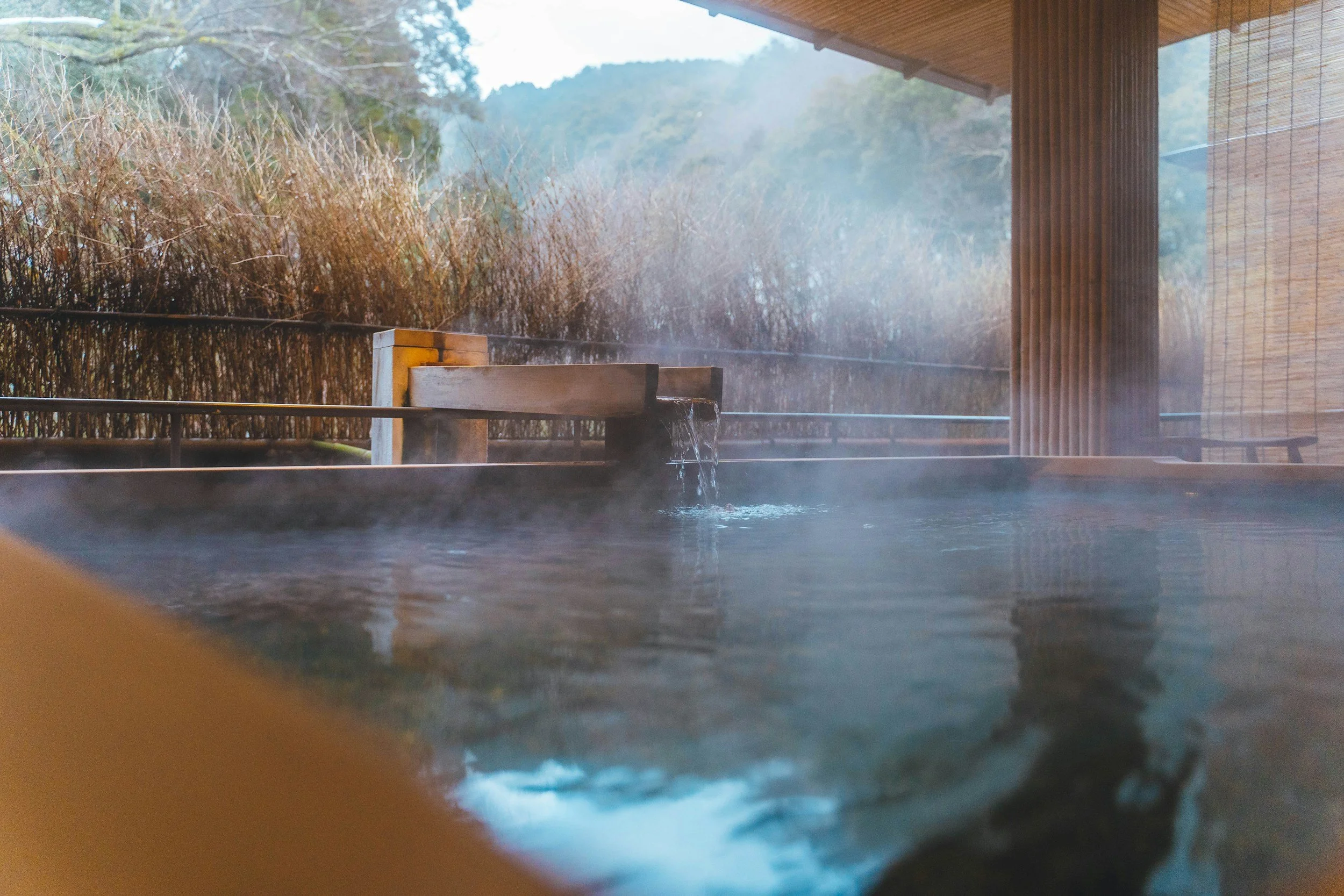
In Frenetic Japan, a Warm Bath is the Answer
By Sam Lozoff, January 4, 2026
In one of the world’s most connected, frenetic countries, a warm bath might be the key to your travels. Japan’s bathing tradition dates back to the 6th-century introduction of Buddhism, which emphasized physical and spiritual purification. Today, the tradition lives on in two main forms: the rustic neighborhood sento and the resort-style onsen. With endless options, how do you choose where to take the plunge?
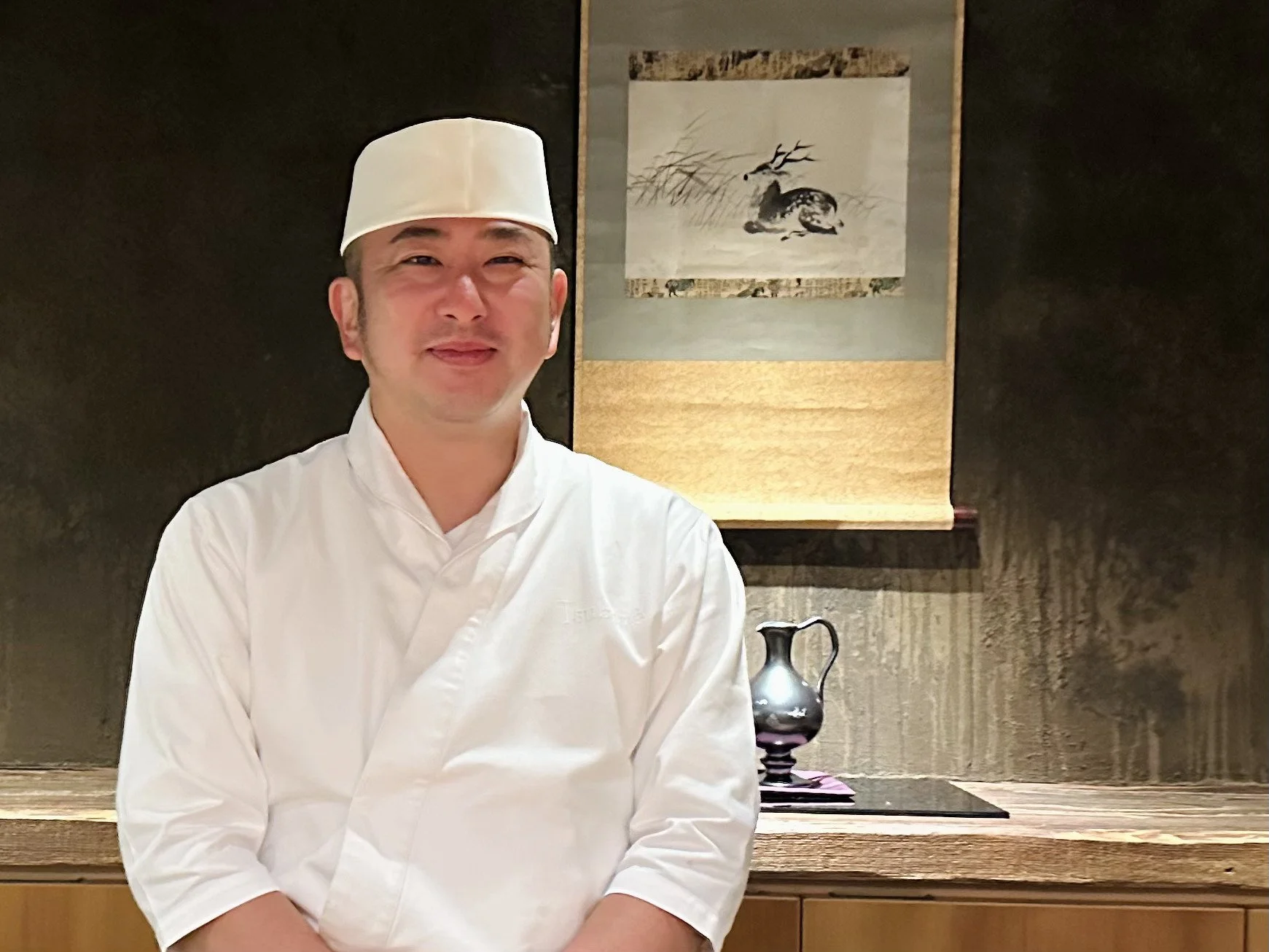
The Chef Who Plates Japanese History: Chef Masato Nishihara
By Shimbo Beitchman, January 4, 2026
Chef Masato Nishihara was the opening chef and operated Kajitsu, the first authentic Shojin-ryori (Buddhist temple-vegetarian cuisine) restaurant in New York City, for two years, beginning in 2009. In 2011, during his reign and before he left, the restaurant earned a Michelin star. Chef Nishihara’s dishes showcased a highly refined, artistic approach to his cuisine, reflecting deep knowledge of Japanese history and culture and demonstrating creativity and an appreciation of the world around him.