
Here's How to Choose.
By Sam Lozoff
February 5, 2026
In Frenetic Japan, a Warm Bath is the Answer.
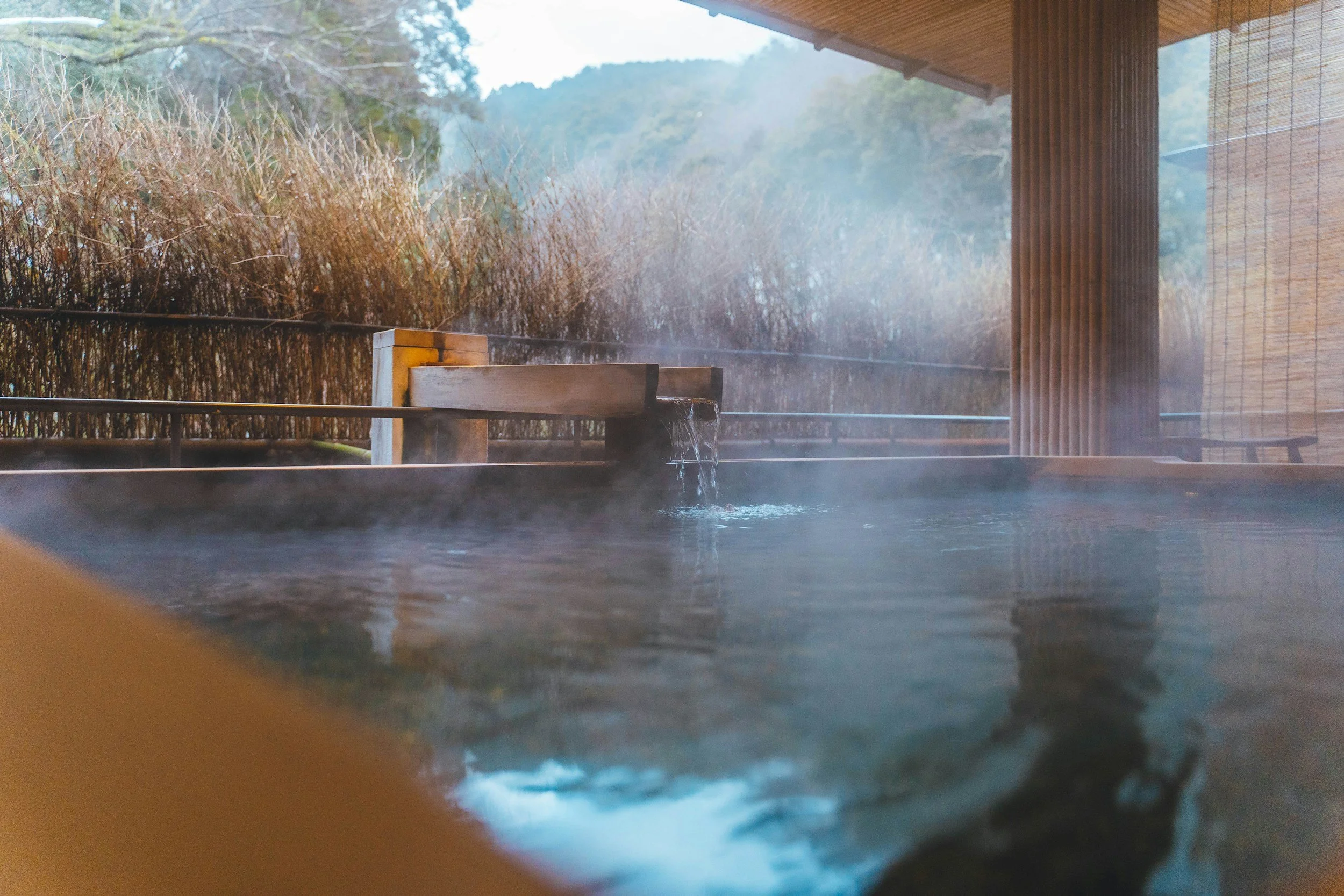
In one of the world’s most connected, frenetic countries, a warm bath might be the key to your travels. Japan’s bathing tradition dates back to the 6th-century introduction of Buddhism, which emphasized physical and spiritual purification. Today, the tradition lives on in two main forms: the rustic neighborhood sento and the resort-style onsen. With endless options, how do you choose where to take the plunge?
While natural hot spring resorts (onsen) are a classic choice, the humble public bathhouse (sento) is having a moment, featured in shows like HBO’s Tokyo Vice and Wim Wenders’s gorgeous film Perfect Days. An Onsen offers a spa-like escape in nature, while a sento provides an authentic, affordable glimpse into old-school Japanese life.
Here’s how to dive into both worlds.
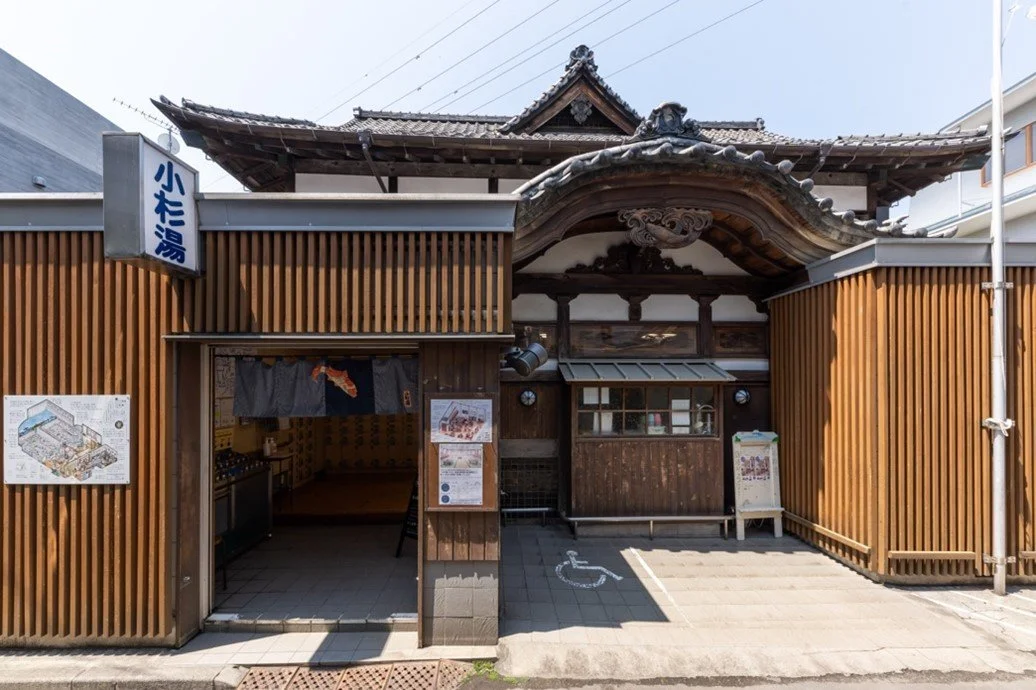
Kosugiyu Sento © 小杉湯
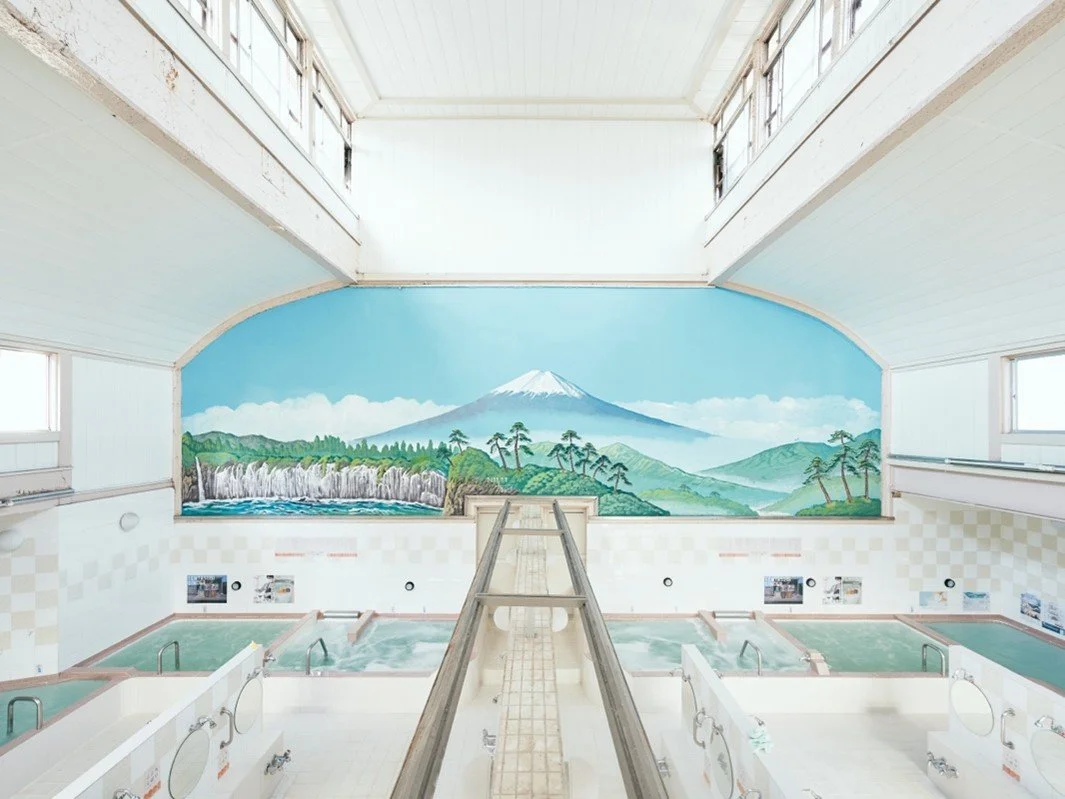
Kosugiyu Sento © 小杉湯
The Urban Classic: Kosugiyu (Tokyo)
For a perfect introduction, visit Koenji’s Kosugiyu. It blends modern convenience with a classic, Showa-era aesthetic. The beautiful wooden building features the quintessential Mt. Fuji mural and architectural details rich with history. The building’s distinctive curved gable roof, a symbol of reconstruction after the 1923 Great Kanto Earthquake, is adorned with a wooden carp talisman to protect against fire.
Entry is straightforward, with towels for purchase and credit cards accepted. The washing area is fully stocked, and the bathing area has four unique tubs. During a visit last March, a local microbrewery hosted a pop-up, allowing bathers to enjoy a crisp IPA in the cozy lounge afterward. This is one sento that respects tradition without sacrificing modern comforts, and they’ve even opened a new outpost in Harajuku, making access even easier.
Location: 6-minute walk from JR Koenji Station.
Hours: Weekdays 2:00 PM–1:30 AM; Weekends/Holidays 8:00 AM–1:30 AM; Closed Thursdays.
Cost: Entry 550 JPY; Towel rental available.
Website: https://kosugiyu.co.jp/
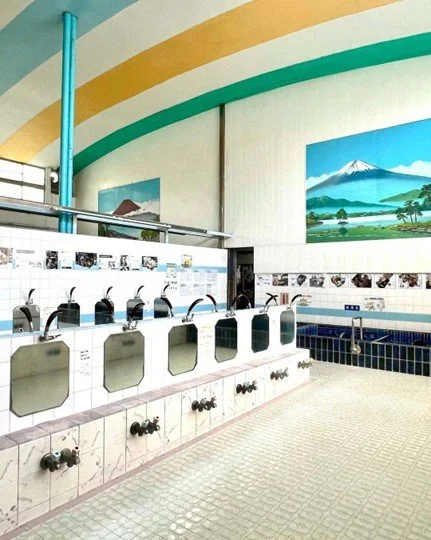
Pictured: The bathing area of Denki-yu, with its washing stations, tubs, and the archetypal Mt. Fuji Mural. © 電気湯
The Film Set: Denkiyu (Tokyo)
To step directly into the world of Perfect Days, head to Denkiyu. This 100-year-old sento in Tokyo's east side was a key filming location on the acclaimed Wim Wender’s 2023 project. While the owners maintain the bathhouse's wonderful, old-school charm, they’ve also expanded into hosting art openings and dance parties. Check their consistently updated Instagram for event schedules and details on their weekly rotating medicinal baths (Wednesdays only).
Location: 5-minute walk from Keisei Hikifune Station
Hours: Weekdays 3:00 PM–12:00 AM; Closed Saturdays; Sundays 8:00 AM–Noon & 3:00 PM–12:00 AM.
Cost: Entry 550 JPY.
Website: https://denki-yu.studio.site/
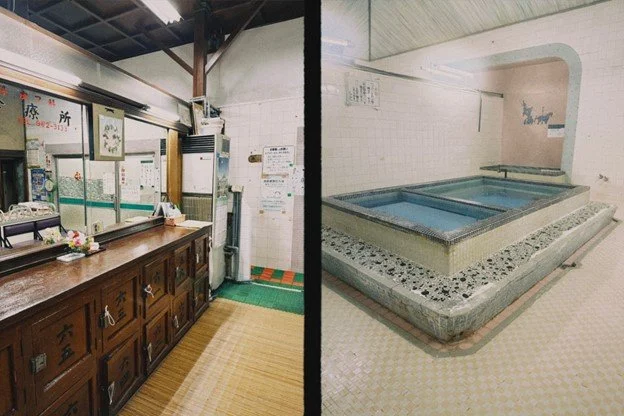
Pictured: Locker and bath area of Kikusui Onsen. Talk about rustic charm.
The Time Capsule: Kikusui Onsen (Osaka)
Kikusui Onsen is a true relic and one of the few remaining bathhouses still heated by a wood-fired stove. You’ll know you’re close when you spot the tall chimney rising above the residential Osaka neighborhood. The interior is beautifully worn-in, featuring an old-school attendant’s booth, wicker mats, and dark-varnished wooden lockers.
The bathing room is spartan compared to others; you must bring your own soap and shampoo. It’s simply a few hot baths with jets and a cold plunge basin. There isn’t much English spoken, so be patient and enjoy slipping back in time. The no-frills vibe is impossible to replicate.
Location: 11-minute walk from JR Shigino or Osaka Metro Midoribashi Station.
Hours: 4:00 PM–8:30 PM; Closed Mondays.
Cost: Entry 550 JPY (cash only).
Website: https://osaka268.com/sento/菊水温泉/
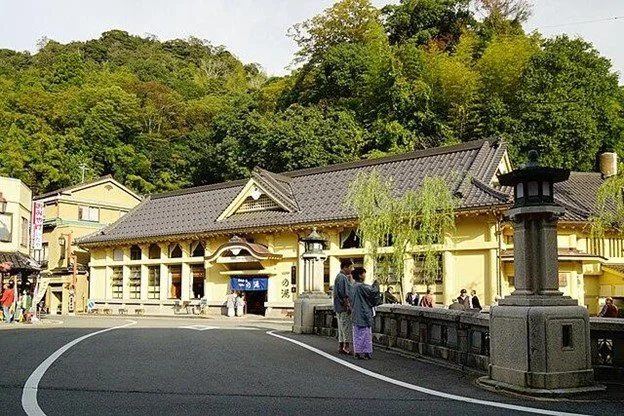
Pictured: Ichi-no-yu, one of Kinosaki’s seven public onsen.
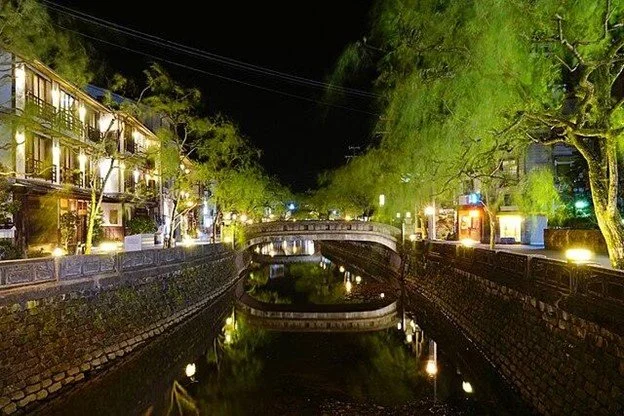
Kinosaki by night
The Onsen Town Experience: Kinosaki (Hyogo Prefecture)
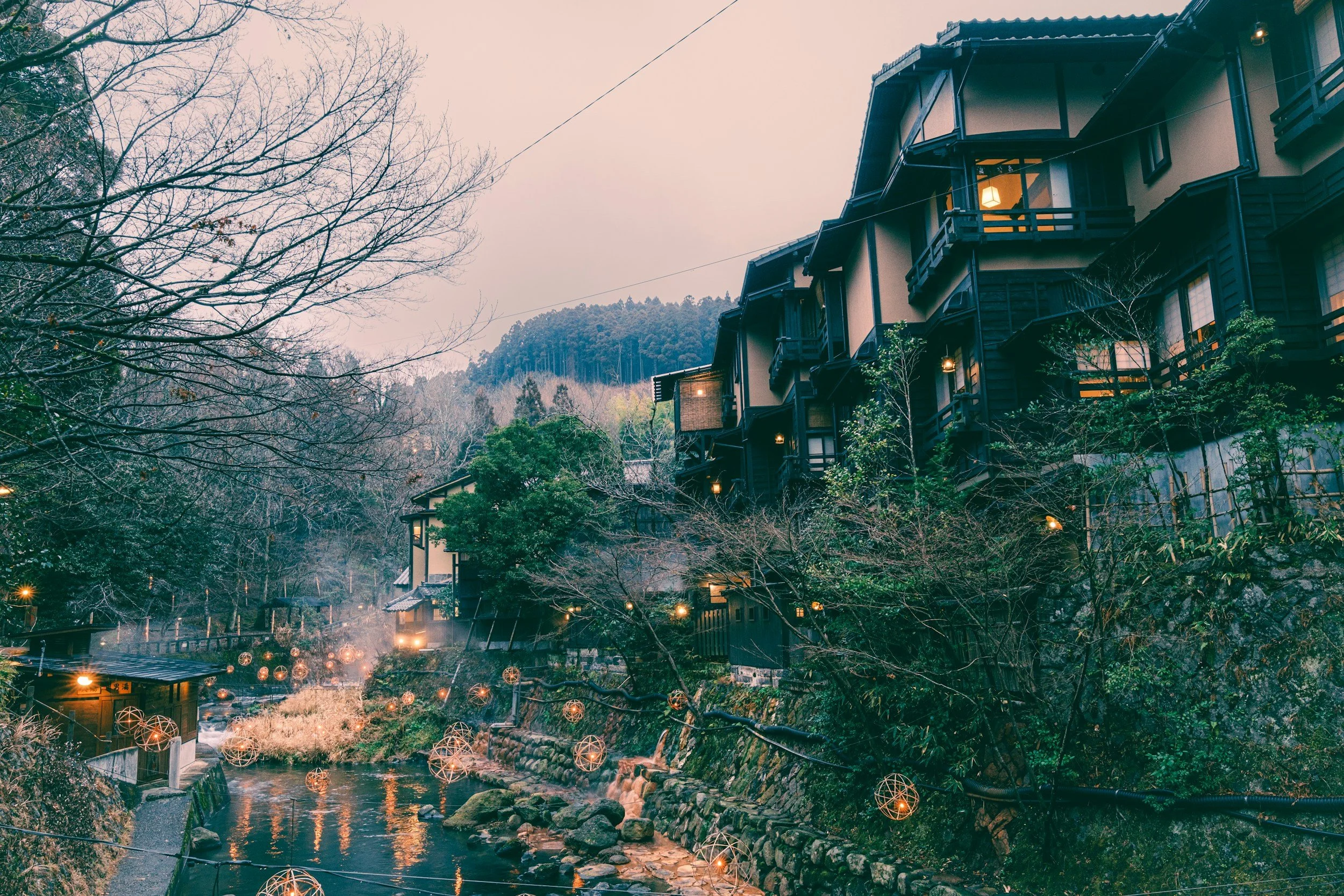
For the quintessential onsen resort experience, head to Kinosaki in Hyogo Prefecture. This 1,300-year-old hot spring town, located a 2.5-hour express train ride from Kyoto or Osaka, has seen international tourism skyrocket thanks to its tattoo-friendly policy, scenic streets, and diverse dining. During my year as an English teacher in a nearby town (2013-2014), I took full advantage, making day trips and even securing a kitchen stage at a local ryokan (traditional inn).
A full day can be spent traversing the town’s seven public baths, all within walking distance. Reservations at local hotels or ryokan usually include an all-access pass to the seven hot springs. Otherwise a day-pass for all seven costs 1,500 JPY. After bathing, you have plenty of culinary offerings to choose from, from wagyu and seafood to fantastic sake. For a change of pace, try Off Kinosaki for bistro fare and natural wine or Paradi for morning pastries.
Location: 2.5-hour express train from Kyoto/Osaka.
Cost: Bath day-pass ~1,500 JPY (often included in hotel/ryokan reservation).
Website: https://visitkinosaki.com/
Whether you seek the minimalist charm of a local sento or the restorative embrace of a countryside onsen, Japan’s bathing culture offers a profound and essential respite from the modern world.