Glossary
Find common equipment, tools, and a glossary of ingredients found in the Japanese kitchen.
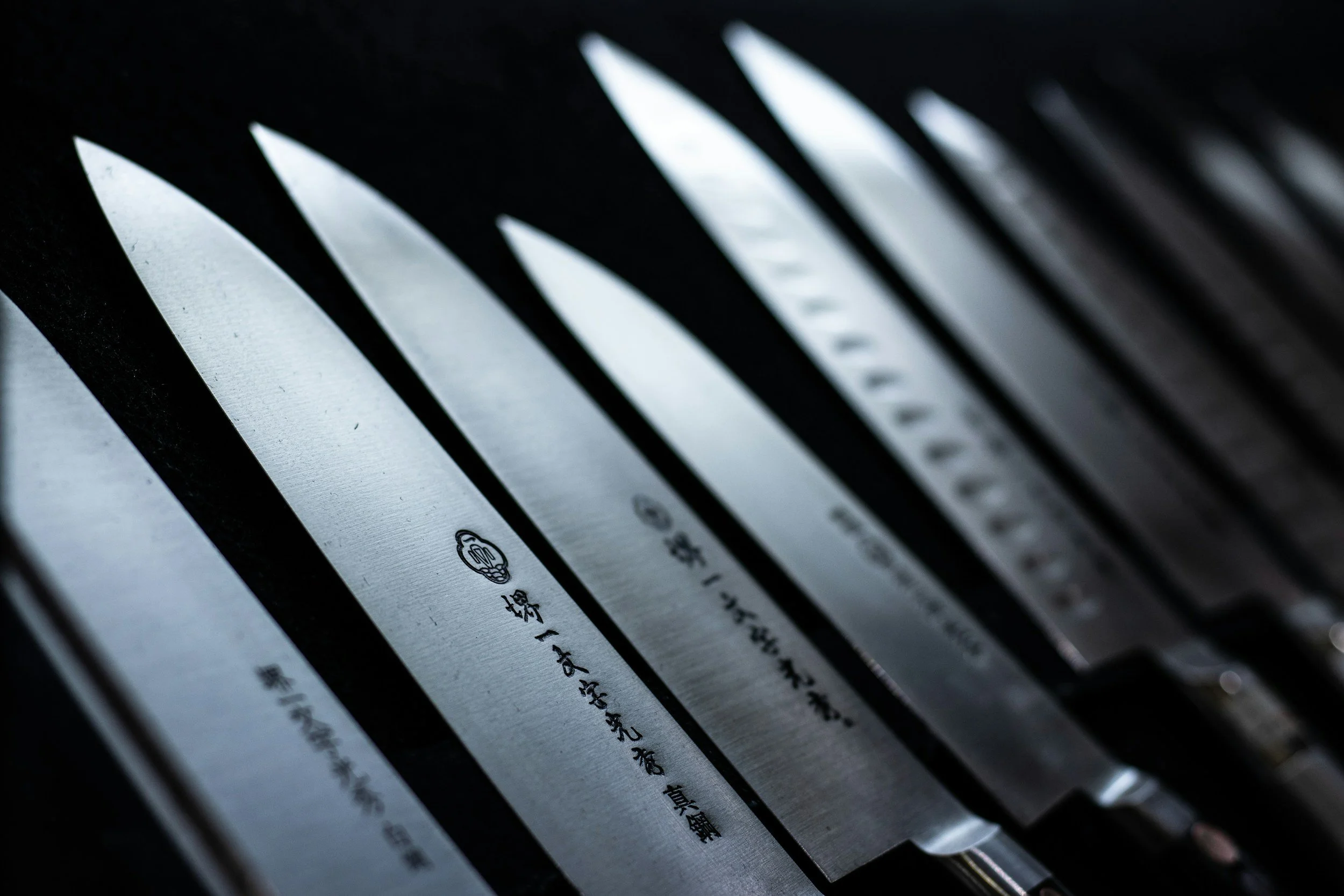
Japanese Knives
Japanese cuisine calls for a wide variety of knives, each one designed for a specific job and a certain type of ingredient. Here are just a few examples.
Deba bōchō: Kitchen carver for meat
Fugu hiki, Tako hiki, and yanagi ba: Sashimi slicers
Nakiri bocho and usuba bocho: Japanese vegetable knives for Japanese vegetables
Oroshi hocho and hancho hocho: Extremely long knives to fillet tuna
Santoku: General purpose knife influenced by European styles
Udon kiri and soba kiri: Knife to make udon and soba
Unagisaki hocho: Japanese eel knife
Other Japanese Equipment
Abura kiri - a Japanese kitchen tool – a shallow tray with a rack inside – used to drain excess oil from deep-fried foods, like tempura, after they've been cooked.
Agemono nabe: a thick, heavy Japanese pot, typically made of cast iron or brass, specifically designed for deep-frying food like tempura and karaage. Its substantial material helps to maintain a consistent and even oil temperature.
Donabe: a traditional Japanese earthenware cooking pot known for its ability to retain heat, allowing for slow, even cooking of various dishes like stews, soups, and hot pots.
Hangiri: a traditional Japanese wooden tub, also called a sushi oke or handai, used to cool and mix sushi rice.
Makiyakinabe: a special, square or rectangular frying pan used in Japanese cuisine to make tamagoyaki, or Japanese rolled omelets. The distinct shape allows the cook to create thin, rectangular layers of egg
Seiro - a rectangular, usually bamboo or wood, type of steaming basket.
Otoshi buta - Japanese drop lid that sits directly on the food's surface in a pot, rather than on the pot's rim, to control simmering and ensure even cooking of simmered dishes.
Suihanki/Rice cooker - Electric appliance for cooking rice
Suribachi and surikogi - a Japanese-style mortar and pestle. The suribachi is a ceramic mortar with ridged grooves while a surikogi is its corresponding wooden pestle used for crushing ingredients like sesame seeds, nuts, and spices.
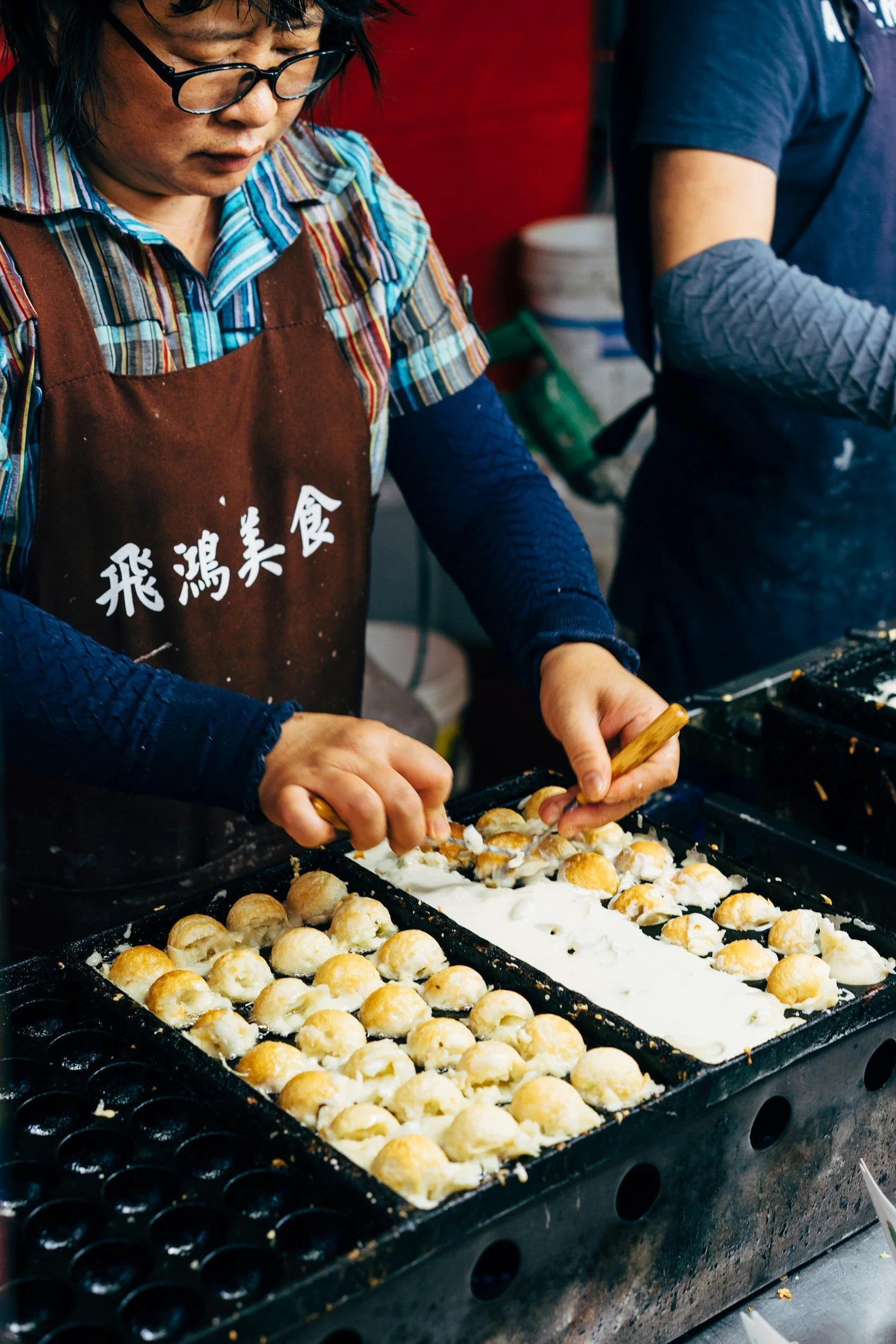
Takoyaki pan - a special cooking pan with multiple hemispherical molds used to make takoyaki, a popular Japanese street food. The molds shape the wheat flour-based batter into round, bite-sized balls, which are typically filled with octopus and cooked to create a crispy outside and a gooey inside.
Tetsubin - a traditional cast iron kettle designed for boiling water and brewing tea. The name means "iron pot."
Tetsunabe - a traditional Japanese pot or pan made of cast iron. It is often used for communal Japanese hot pot dishes like sukiyaki and shabu-shabu.
Usu and kine - An usu is a large Japanese mortar, typically made of wood or stone, and a kine is the large wooden pestle or mallet used with it. Together, they are used for pounding cooked rice into a paste to make mochi, a process central to the mochitsuki New Year's tradition.
Basic Japanese Culinary Terminology
A
Abura-age - thin slices of deep-fried tofu that creates a golden-brown pocket with a crispy exterior and a soft, spongy interior. It is a versatile ingredient, often used in inari-zushi or soups.
Awakuchi - a lighter-colored and saltier alternative to standard dark soy sauce (koikuchi shoyu) that originated in the Kansai region of Japan.
Azuki - small brown-red beans, used for preparing sweet dishes mainly.
Aka miso - meaning "red miso" in Japanese, is a fermented soybean paste characterized by its reddish-brown color and robust, savory, and salty flavor.
Amazu - basic sweet-and-sour Japanese sauce or pickling liquid, made by combining rice vinegar, sugar, and salt, often with the addition of kombu (kelp) for depth of flavor.
Atsu-age - deep-fried tofu.
B
Bancha - a traditional Japanese green tea made from the “second flush” or larger, more mature leaves and stems harvested in the autumn and winter, which makes it a lower-cost, everyday tea compared to Sencha. It has a mellow, savory, and sometimes roasted flavor with less caffeine and bitterness than teas made from young leaves.
Biwa - loquat fruit.
Bifun - clear noodles, made of rice-flour with adding potato starch.
Budo - grape.
Beni-shoga (see also Gari) - a type of Japanese pickled ginger made from thin strips of ginger, traditionally pickled in umeboshi vinegar (umezu) which gives it a sharp, tangy flavor and red color..
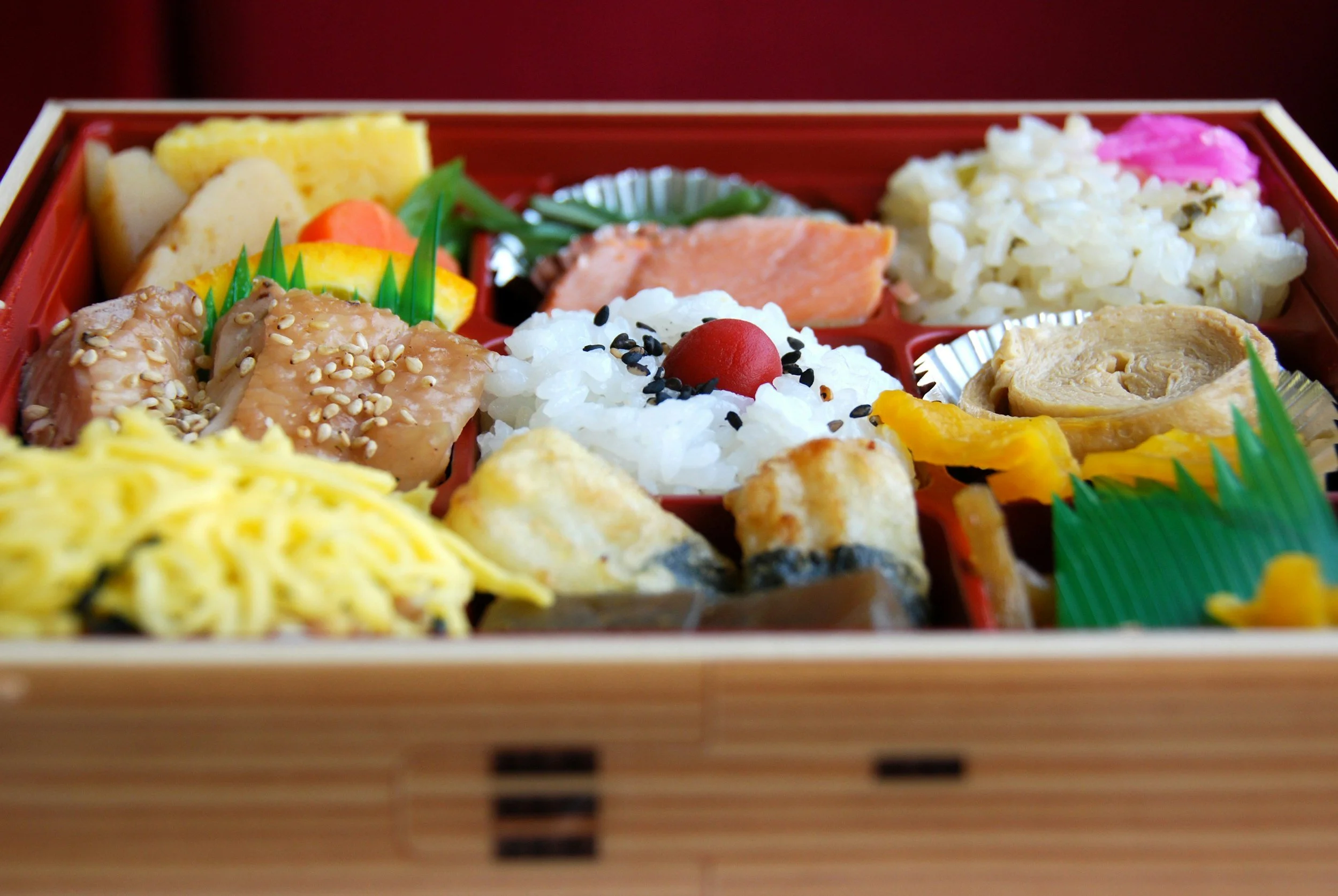
Bento - lunch box.
D
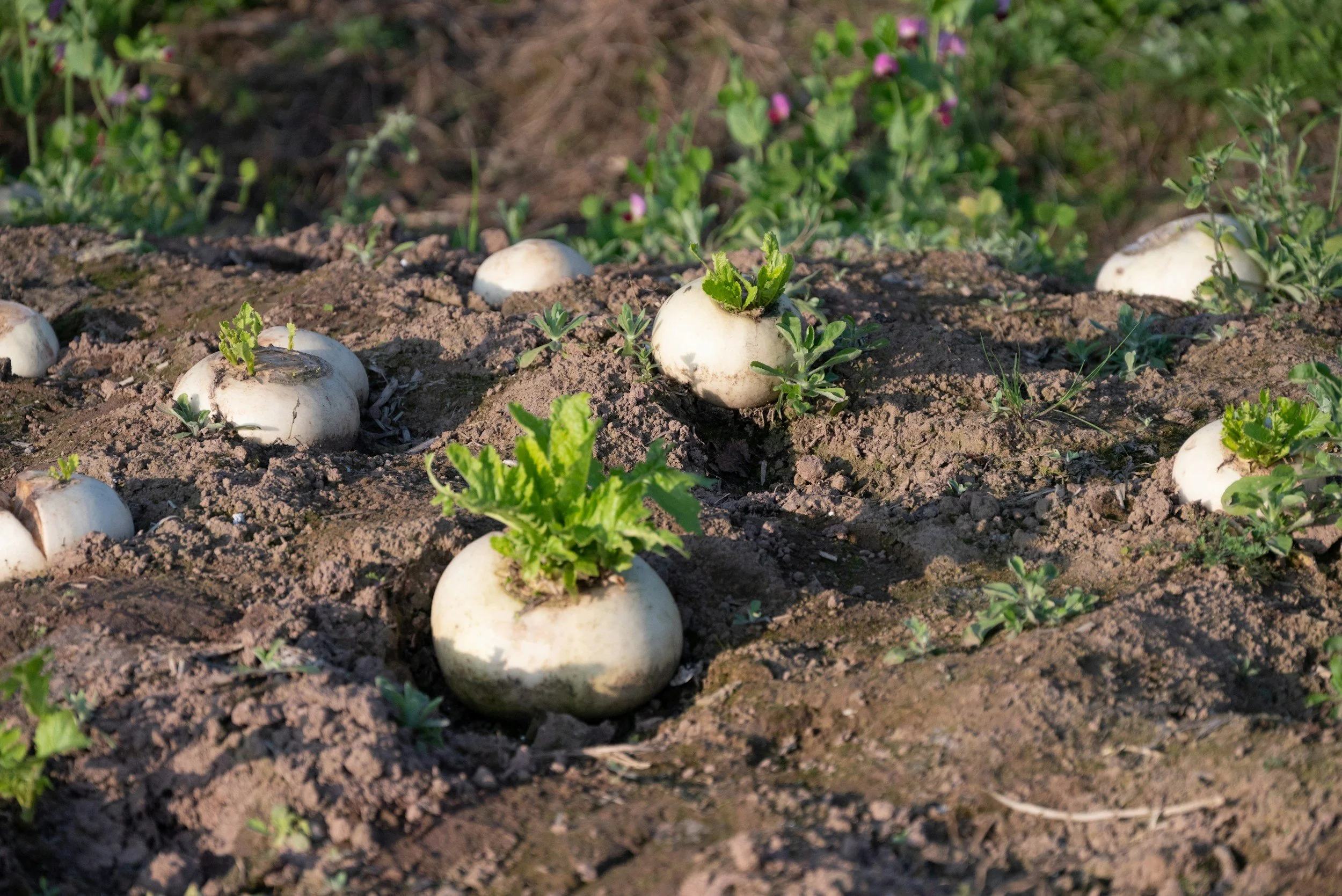
Daikon - long, white root vegetable, related to radish.
Daikon-oroshi - small grater, for daikon specially.
Dashi - base broth for soups or stew dishes made of kombu (kelp) and kezuri-bushi. You can prepare it by yourself or dilute in water dashi-no-moto.
Dashi-kombu - dried kelp.
Dashi-no-moto - powder broth for fast preparation of dashi.
Domburi - crockery, earthen saucer.
E
Edamame - fresh new soy beans.
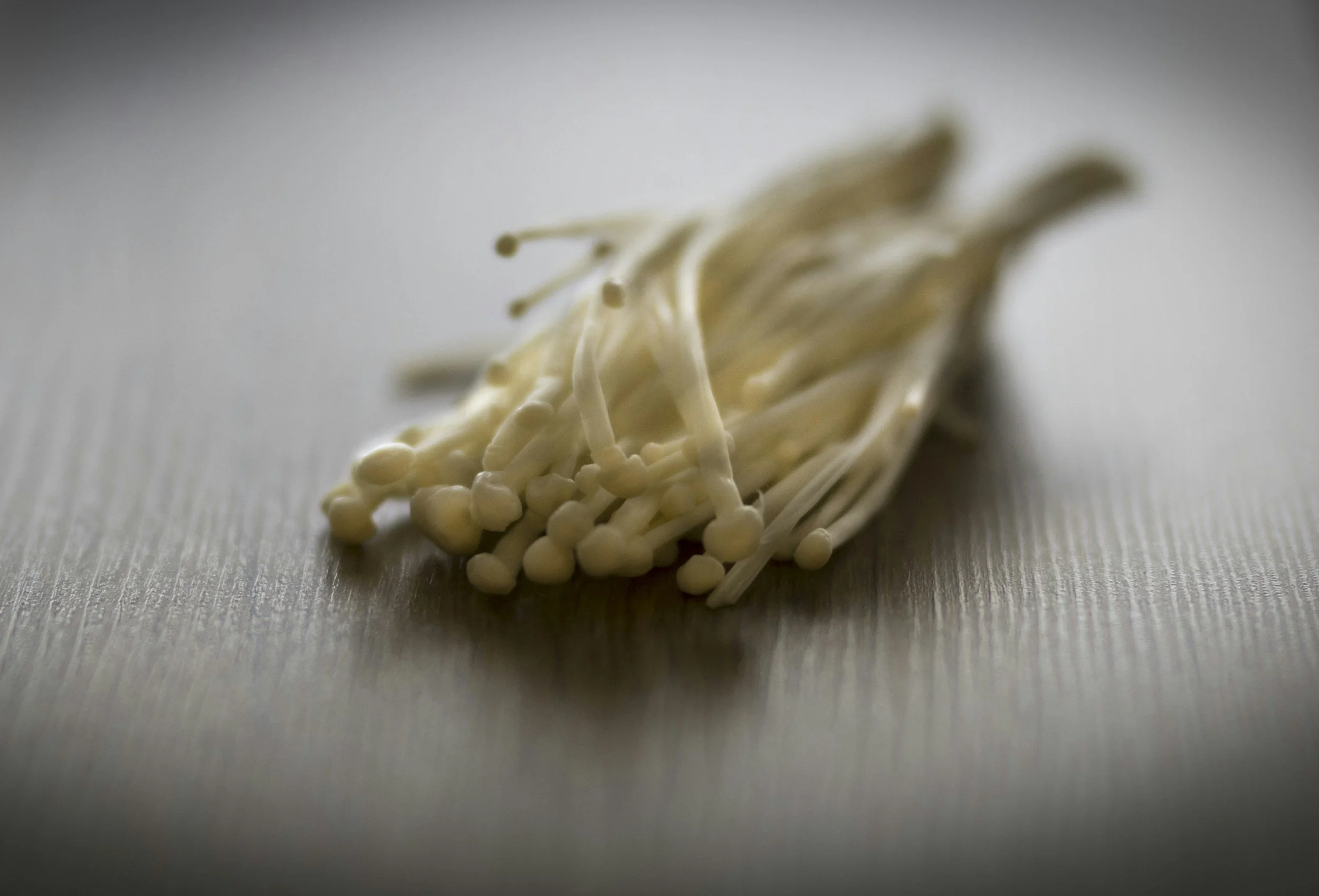
Enoki - small, stingy, white mushrooms with soft aroma and delicate flavor.
F
Fugu – a pufferfish considered a luxury food and delicacy known for its potentially lethal poison, tetrodotoxin, found in its internal organs. Preparation requires strict regulations and certified chefs to meticulously remove the toxic parts, preventing accidental poisoning. The fish is served in dishes like sashimi and hot pots.
Furikake - a savory Japanese seasoning blend of dried ingredients like nori, toasted sesame seeds, dried fish, dried egg, salt, and sugar, though specific ingredients vary by region. The name "furikake" means "to sprinkle", and it's a popular topping for rice, onigiri, fish, and vegetables.
Futo maki - a large, thick sushi roll featuring a colorful array of ingredients like seasoned vegetables, egg, or seafood, all wrapped in a sheet of nori seaweed with seasoned sushi rice. The name "futomaki" literally translates to "fat roll" and is a traditional dish often enjoyed during special occasions and festivals.

G
Gammodoki - quenelles made of deep-fried tofu with vegetables.
Gari (see also Beni-shoga) - chipped pickle pink ginger; it is traditionally served with sushi.
Gyokuro - a type of premium green tea that translates as “jewel dew” or “jade dew”. It is grown in the shade rather than full sun resulting in a dark green color and distinctive flavor.
Ginnan - ginkgo nuts.
Gobo - burdock root.
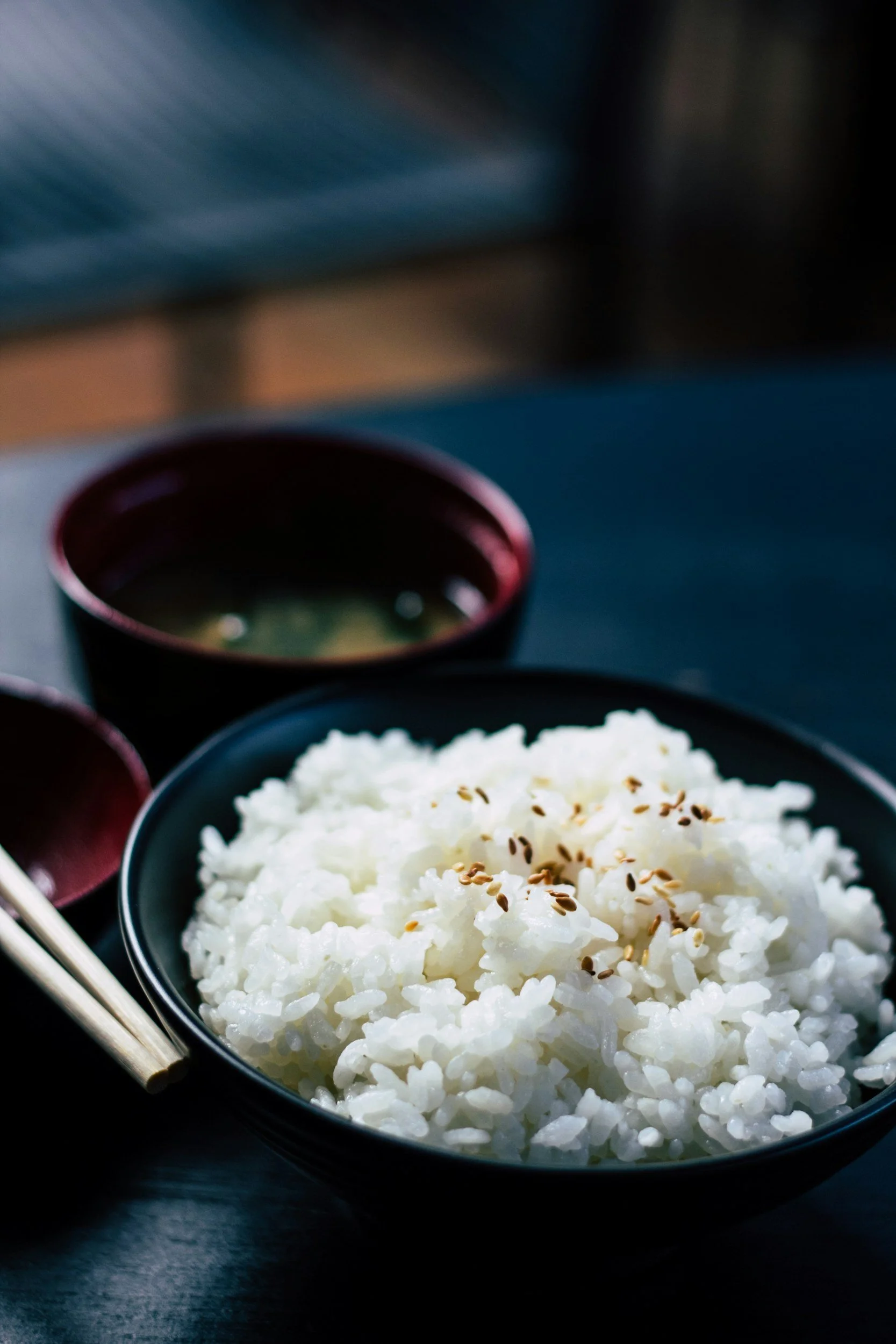
Gohan - rice.
H
Hakozushi (also known as oshizushi) - a type of sushi from Osaka made by pressing rice and ingredients into a rectangular wooden box called an oshibako.
Hakusai (Chinese cabbage) - a vegetable with a white stalk and green leaves.
Harusame - thin noodles, made of azuki beans or starch roots.
Hacho miso - a type of miso paste made primarily from soybeans, salt, and water, with a long fermentation process, known for its dark color and intense umami flavor.
Hashi - chopsticks.
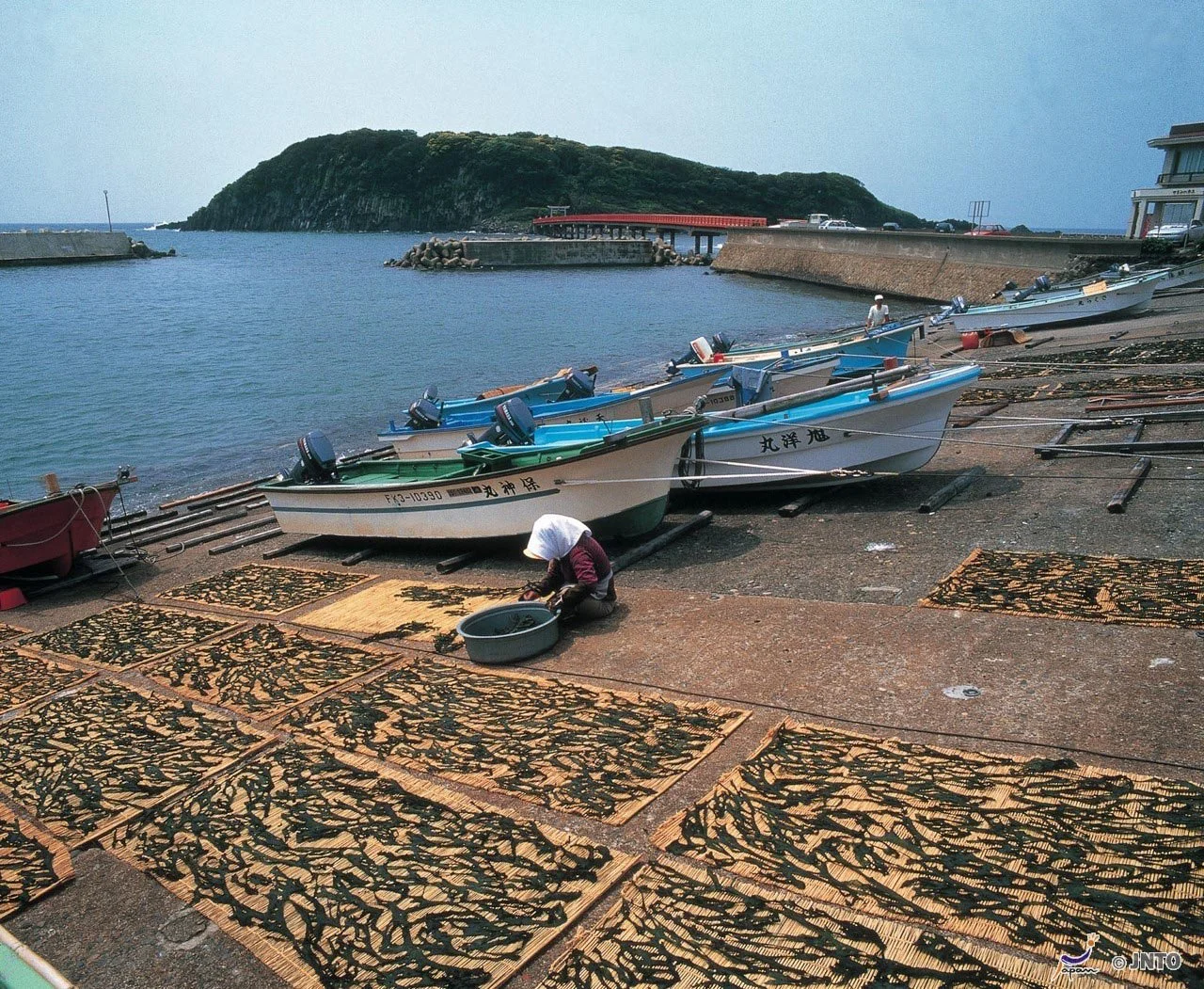
Hijiki - kelp.
Hiyamugi - thin Japanese wheat noodles, similar to vermicelli but slightly thicker than sōmen noodles. Traditionally served cold during the hot summer months, often accompanied by a dipping sauce. The name comes from the Japanese words "hiya" (chilled) and "mugi" (wheat).
I
Ikura - salty poppy salmon caviar.
Inarizushi - a type of Japanese sushi featuring sushi rice stuffed into seasoned, deep-fried tofu pouches called aburaage. These pouches are simmered in a sweet and savory broth made from dashi, sugar, soy sauce, and mirin.
Itigo - strawberry.
Ichiziku - fig.

K
Kabocha - deep-green pumpkin with yellow flesh and nut taste.
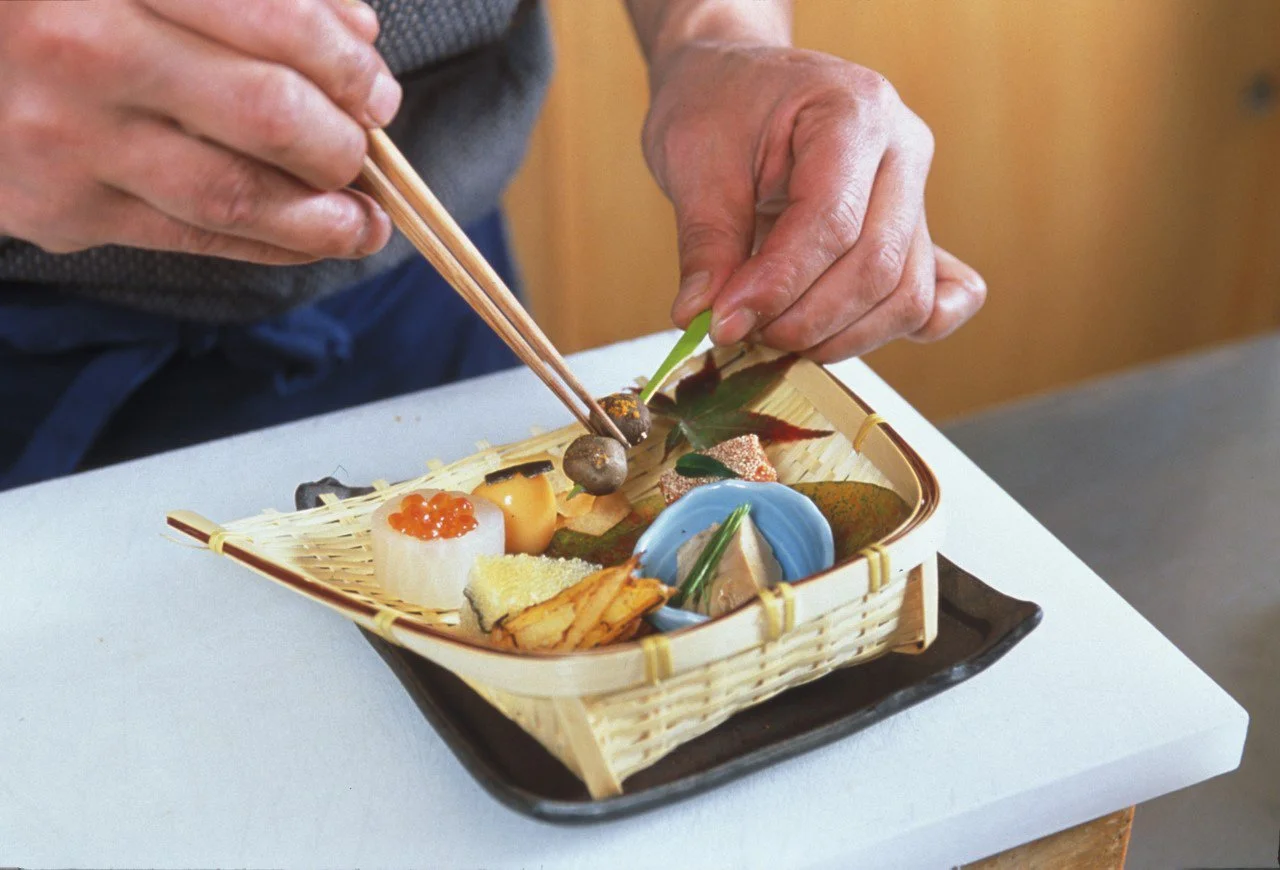
Kaiseki - a traditional, haute-cuisine Japanese multi-course meal that emphasizes the seasonality of ingredients and artistic presentation, often incorporating elements of a tea ceremony. It is an experience for all the senses, where each dish is meticulously prepared and beautifully arranged to reflect the local harvest and the specific season. While often thought of as an elaborate dinner, kaiseki originated as a simple meal, known as cha-kaiseki, served before a tea ceremony to prepare guests' palates.
Kaiware - daikon sprouts.
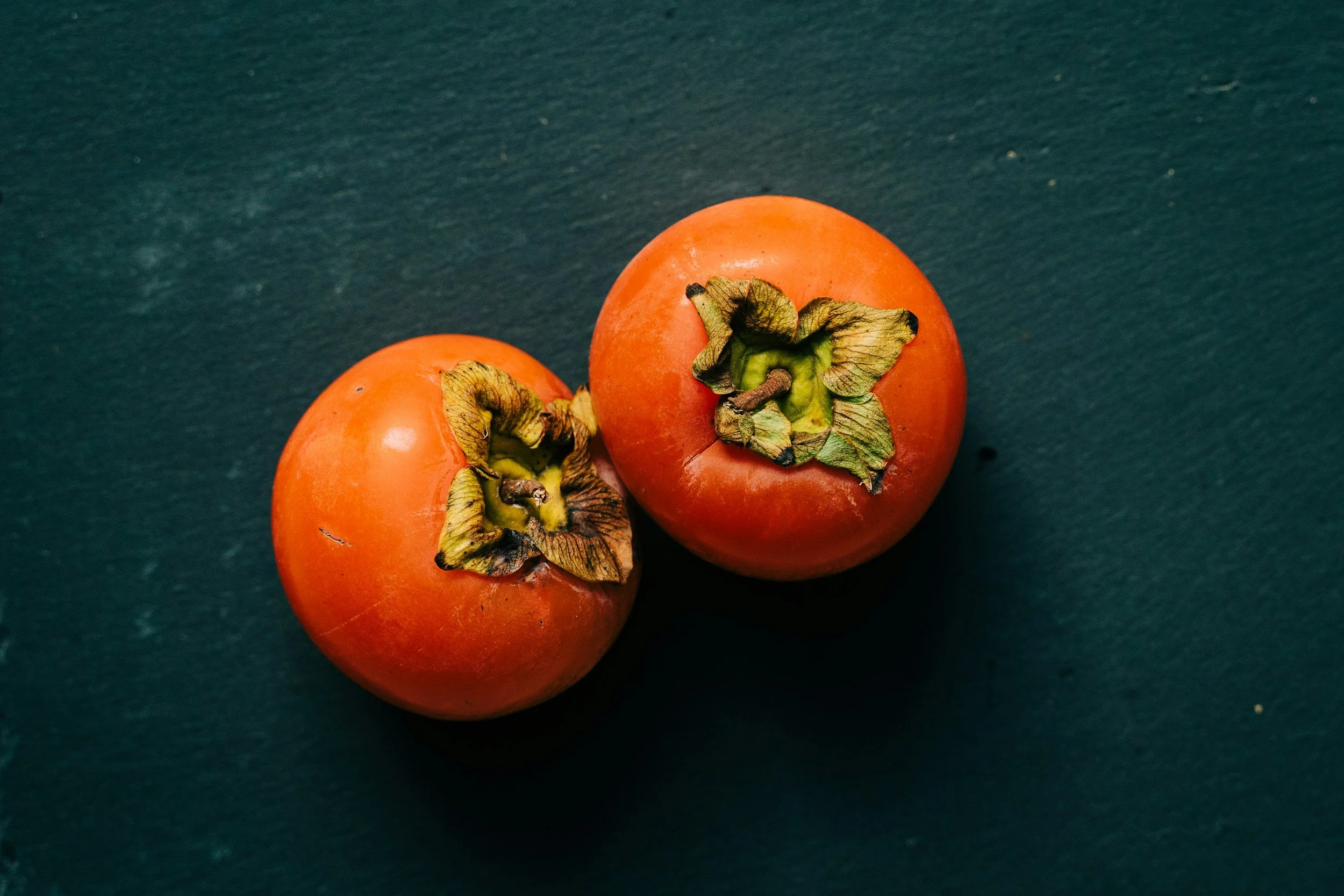
Kaki - Japanese persimmon.
Kamaboko or chikuwa - a fish cake made from puréed white fish, starch, and seasonings, steamed into a firm, semi-cylindrical loaf. It is commonly used as a topping for noodle soups or hot pots, or served sliced as a snack.
Kampyo - strips of a calabash gourd simmered in soy sauce, sugar, and dashi, often used in sushi rolls. It has a spongy, chewy texture and a mild, sweet flavor.
Kanten (agar-agar) - gelling agent, made of algae.
Kashiwa - oak leaves.
Katsuo-bushi or kezuri-bushi - or dried bonito flakes, are dried, smoked, and fermented fish fillets from skipjack tuna that are shaved into paper-thin flakes to create a flavorful ingredient central to Japanese cuisine.
Kinako - flour, made of yellow soybeans.
Kombu - giant kelp, full of calcium and other mineral substances; one of the main components for preparing dashi.
Konnyaku - a jelly-like food made from the starchy tuber of the konjac plant, used in a wide range of Japanese dishes, including stews, soups, and noodle dishes like shirataki.
Kocha - an oxidized black tea.
Koya-dofu - frozen tofu.
Kuri - Japanese chestnut.
Kurimanju - a Japanese pastry containing chestnut filling.
M
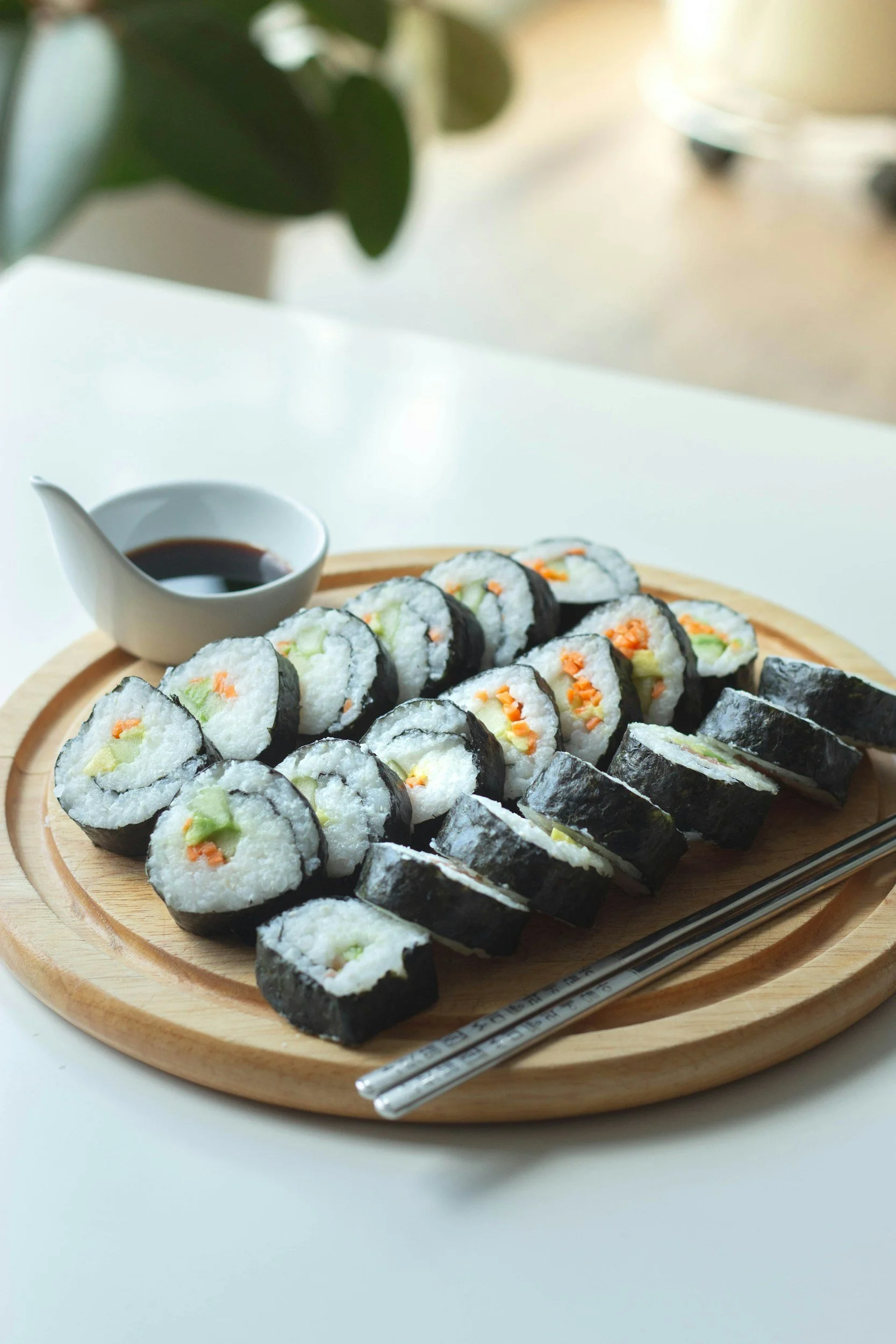
Makizushi - sushi made by rolling rice and various ingredients, such as fish or vegetables, in a sheet of nori seaweed. "Maki" means “roll” in Japanese.
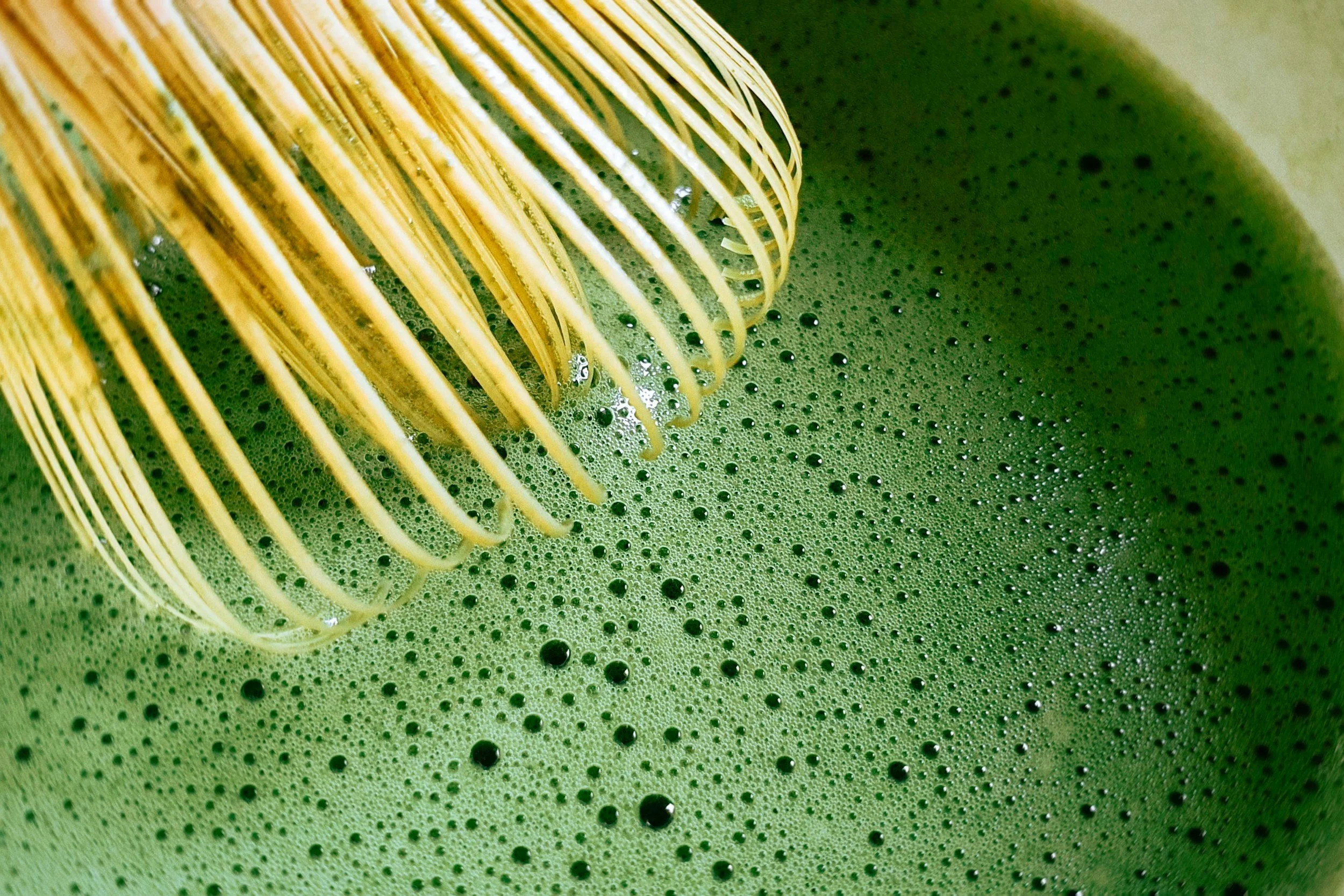
Matcha - a green tea made from whole, specially grown and processed tea leaves, which are ground into a fine powder. It is a traditional ceremonial tea in Japan and a popular ingredient in various foods and drinks today.
Меnmа - a popular condiment made from fermented and seasoned bamboo shoots, best known as a topping for ramen. The name is a blend of the Japanese words for ramen and machiku, the species of bamboo from which it is made.
Myoga - Japanese ginger.
Mikan - mandarins.
Mirin - a sweet, low-alcohol cooking wine made from fermented glutinous rice and a distilled spirit, providing a unique tangy-sweet flavor to dishes like teriyaki sauce, sushi rice, and marinades.
Miso - a traditional fermented paste made from soybeans, salt, and a starter culture called koji (a mold that grows on rice, barley, or soybeans). It provides a deep, savory umami flavor and is commonly used in miso soup, marinades, sauces, and dressings. Miso comes in different varieties, such as white (shiro), yellow, and red (aka), each with a distinct flavor profile based on the ingredients and fermentation time.
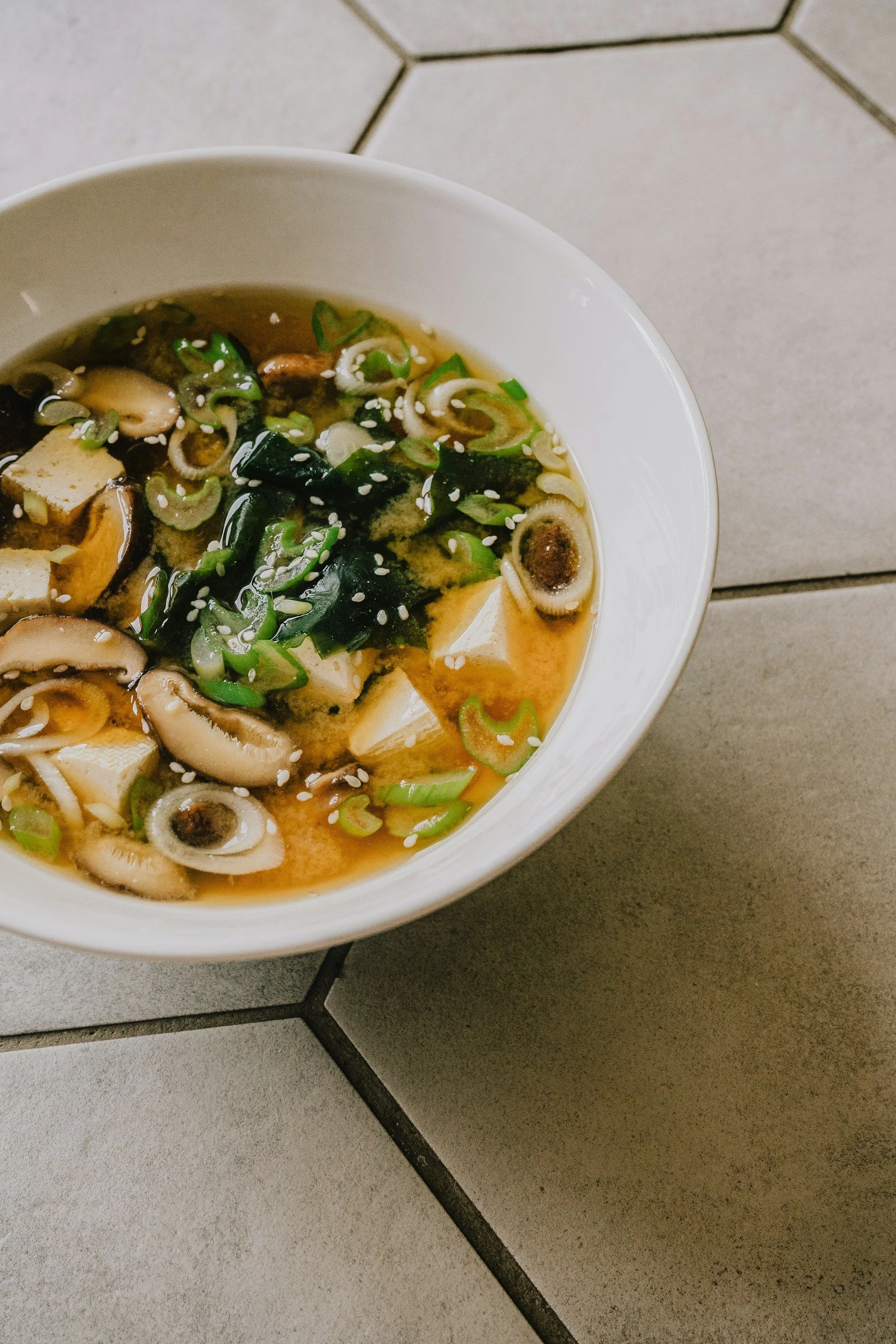
Misoshiru - soup made of soybean paste miso. Classical miso soup is served with tofu pieces.
Mitsuba - Japanese parsley; used in soups mainly.
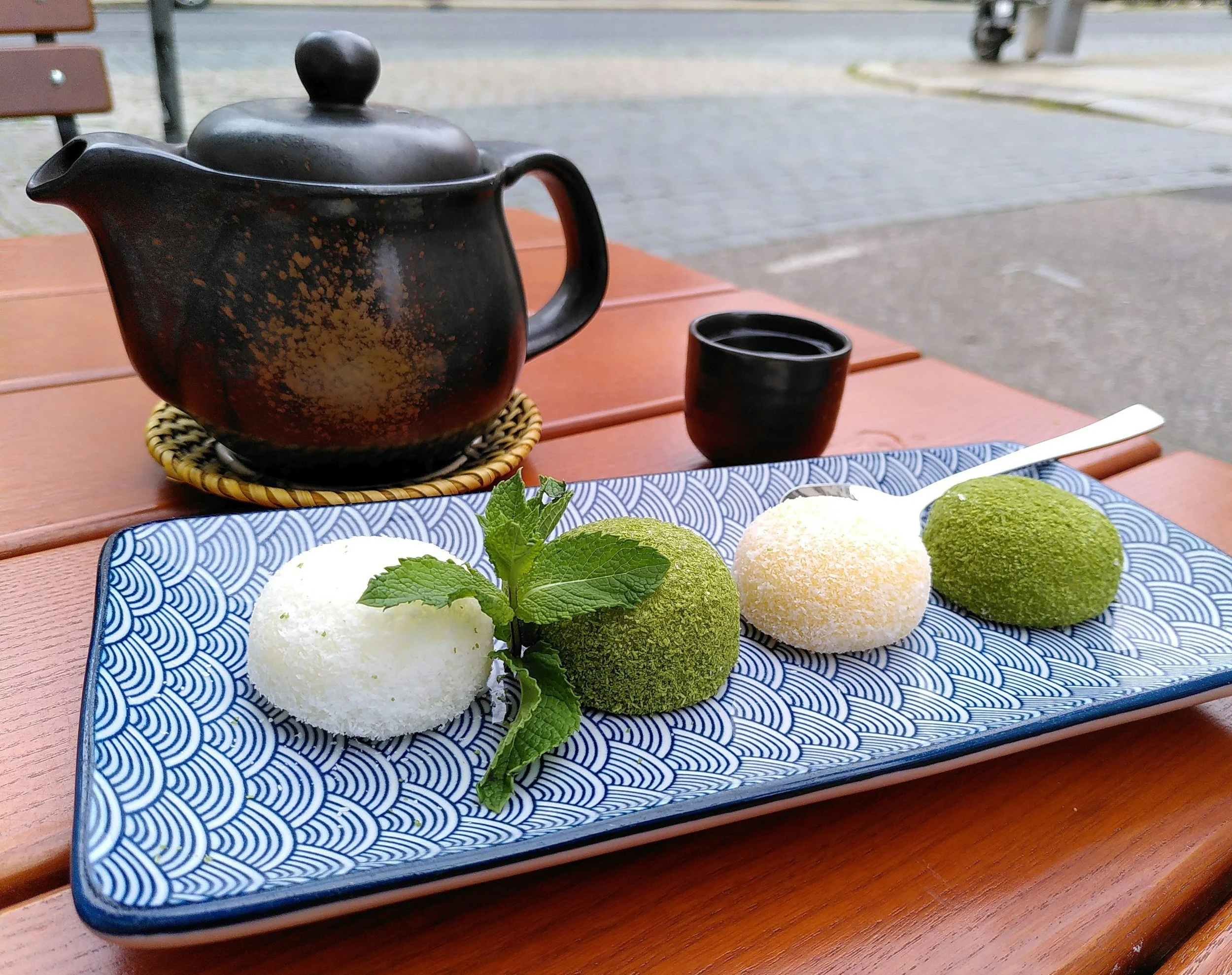
Mochi - rice flat cakes made of rice mochigome.
N
Nabe - pan, pot, or hot pot.
Nabe yori or nabemono - a communal Japanese hot pot dish where various ingredients like meat, fish, vegetables, and tofu are simmered in a pot at the table
Naga-imo (or yama-imo) - a long, Japanese mountain yam or “mountain potato” that can be eaten raw or cooked. It has a light brown, rough exterior and a crisp, white interior that becomes gooey when grated raw, or soft and creamy when cooked.
Naganegi - leek.
Nasu - eggplant.
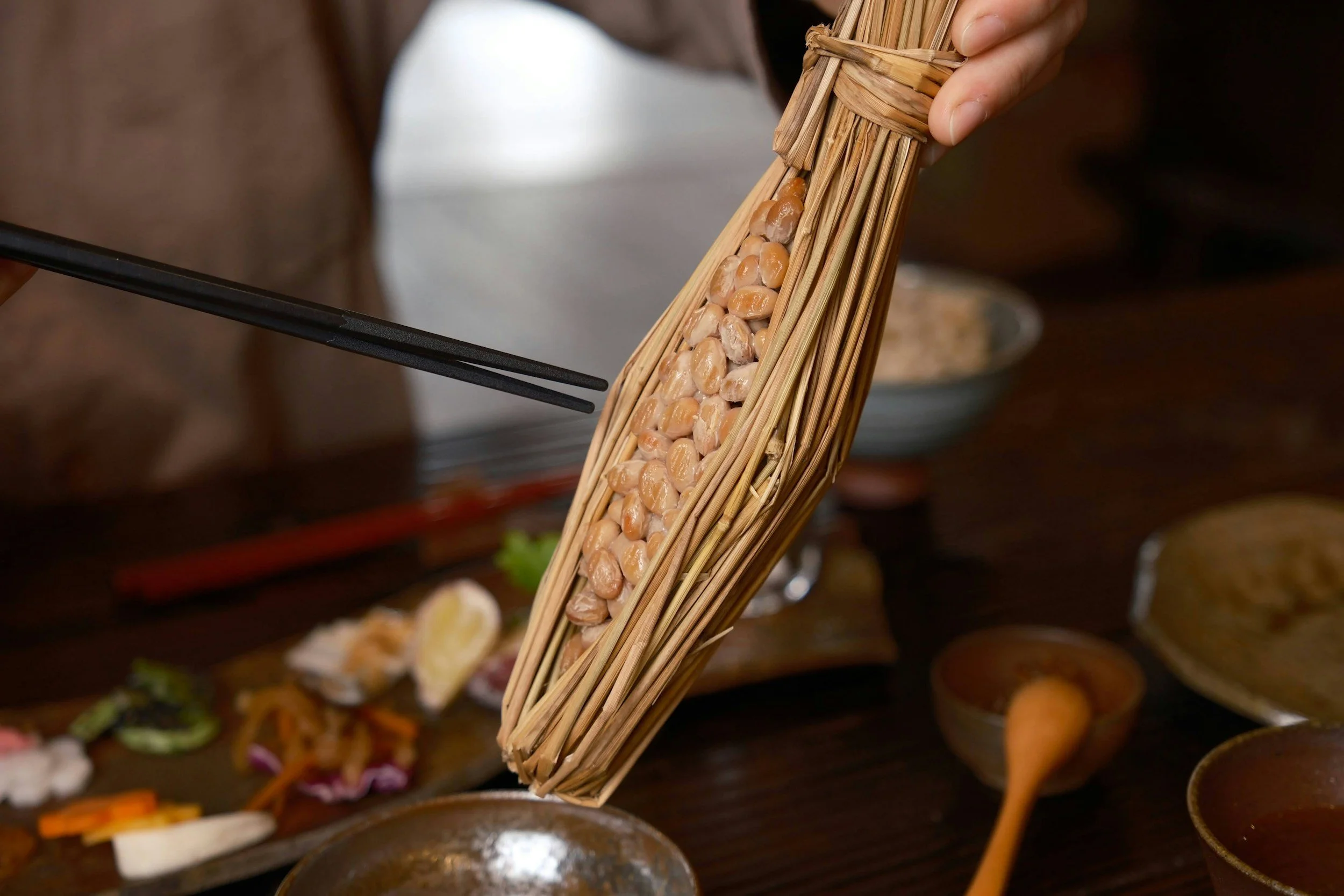
Natto - a traditional food made from fermented soybeans, known for its strong smell, sticky, slimy texture, and rich nutritional content, including protein, probiotics, and vitamin K2. It's often eaten over rice with soy sauce and other seasonings, with the slimy "niba-niba" substance indicating healthy fermentation.
Niboshi - dried baby sardines or anchovies, a staple in Japanese cuisine used to make a rich, savory stock called dashi, or eaten as a salty snack. The word "niboshi" describes the process of boiling and drying these small fish.
Nigari - a mineral-rich by-product of the salt-making process, primarily composed of magnesium chloride along with other trace minerals like potassium, calcium, and various elements. It is traditionally used as a coagulant in the production of tofu.
Nigiri-zushi - a classic form of Japanese sushi consisting of a small, hand-pressed mound of vinegared rice topped with a single slice of raw or cooked fish, seafood, or other ingredients. A traditional preparation includes a small dab of wasabi between the rice and the topping.
Nira - a fresh, flat-leafed member of the allium family that has a stronger, bolder garlic flavor than traditional chives.
Nihonnashi - Japanese pears.
Nori - dried, edible seaweed that has been shredded, processed into thin sheets, and roasted. It is a staple in Japanese cuisine, used as the outer wrap for sushi rolls and onigiri, but it can also be eaten as a snack, used in soups, or as a garnish. Nori provides fiber, protein, vitamins, and minerals.
Norimaki sushi - rice roll with stuffing, wrapped with nori.
O
Ocha - tea.
Okara - the fibrous pulp left over from making soy milk or tofu. Rich in protein and dietary fiber, okara can be incorporated into various dishes, including baked goods, patties, salads, and savory stews like the traditional Japanese side dish, unohana.
Oshizushi - or "pressed sushi," is a traditional style of sushi from Japan's Kansai region that is made by pressing seasoned sushi rice with various toppings into a rectangular mold, traditionally a wooden oshibako.
Otsumami - a staple of Japanese drinking culture, these snacks or small dishes are eaten with an alcoholic drink. From dried squid to fried chicken, otsumami are enjoyed at an izakaya (a Japanese pub) or at home.

R
Ramen - a Japanese noodle soup dish consisting of Chinese-style wheat noodles in a savory broth, typically made with meat or fish and flavored with soy sauce or miso, along with a variety of toppings like sliced pork, seaweed, and a boiled egg. Ramen has numerous regional variations within Japan.
Renkon - lotus root is the unique vegetable from the lotus plant known for its crisp, crunchy texture and distinct appearance with a series of holes that resemble a snowflake or star shape when sliced.
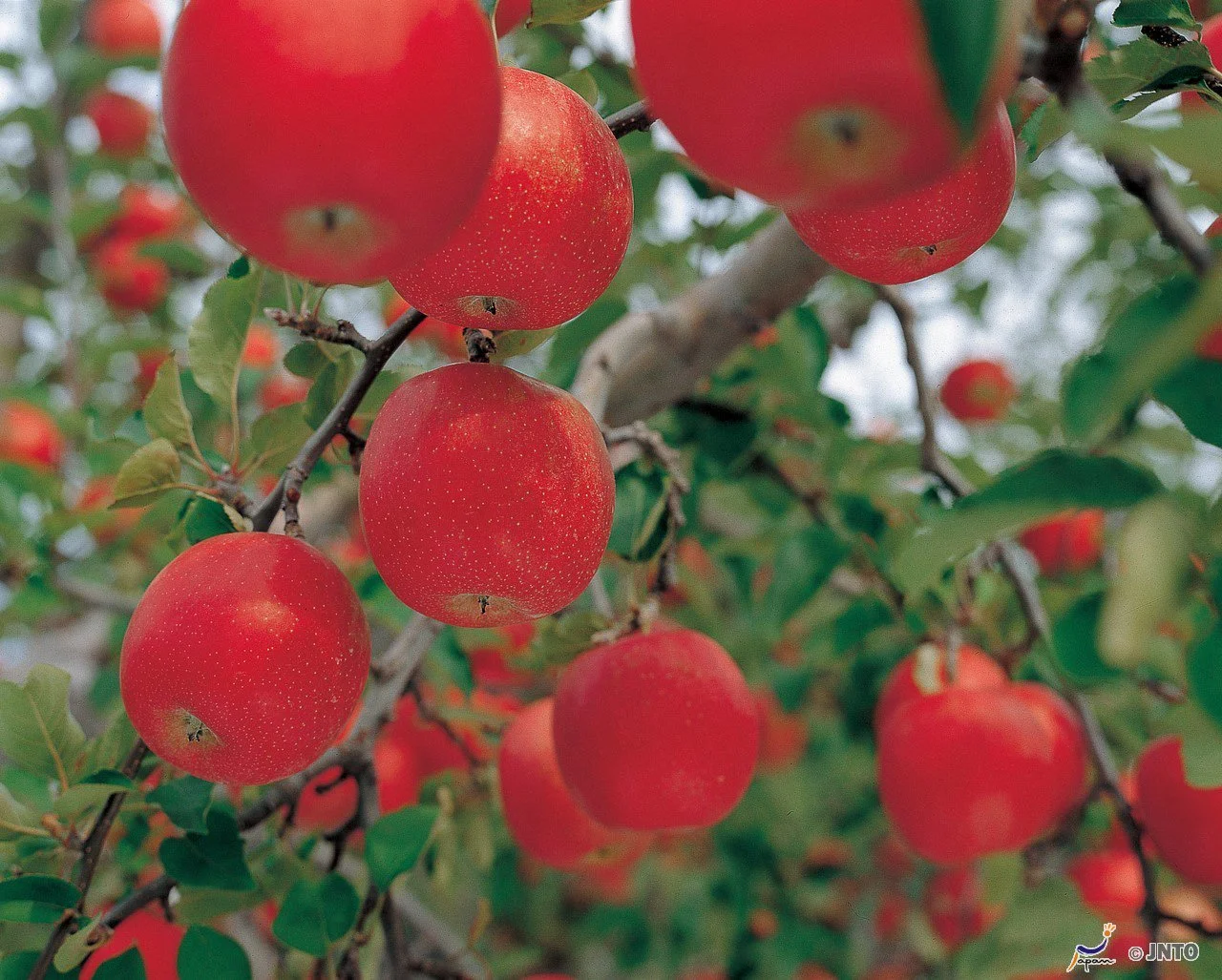
Ringo - apples.
S
Saikyo miso - a premium, sweet white miso paste from Kyoto, made with a high ratio of rice koji (malted rice) to soybeans, resulting in a mild flavor, lower salt content, and an elegant, pale beige color.
Sakurambo - cherry.
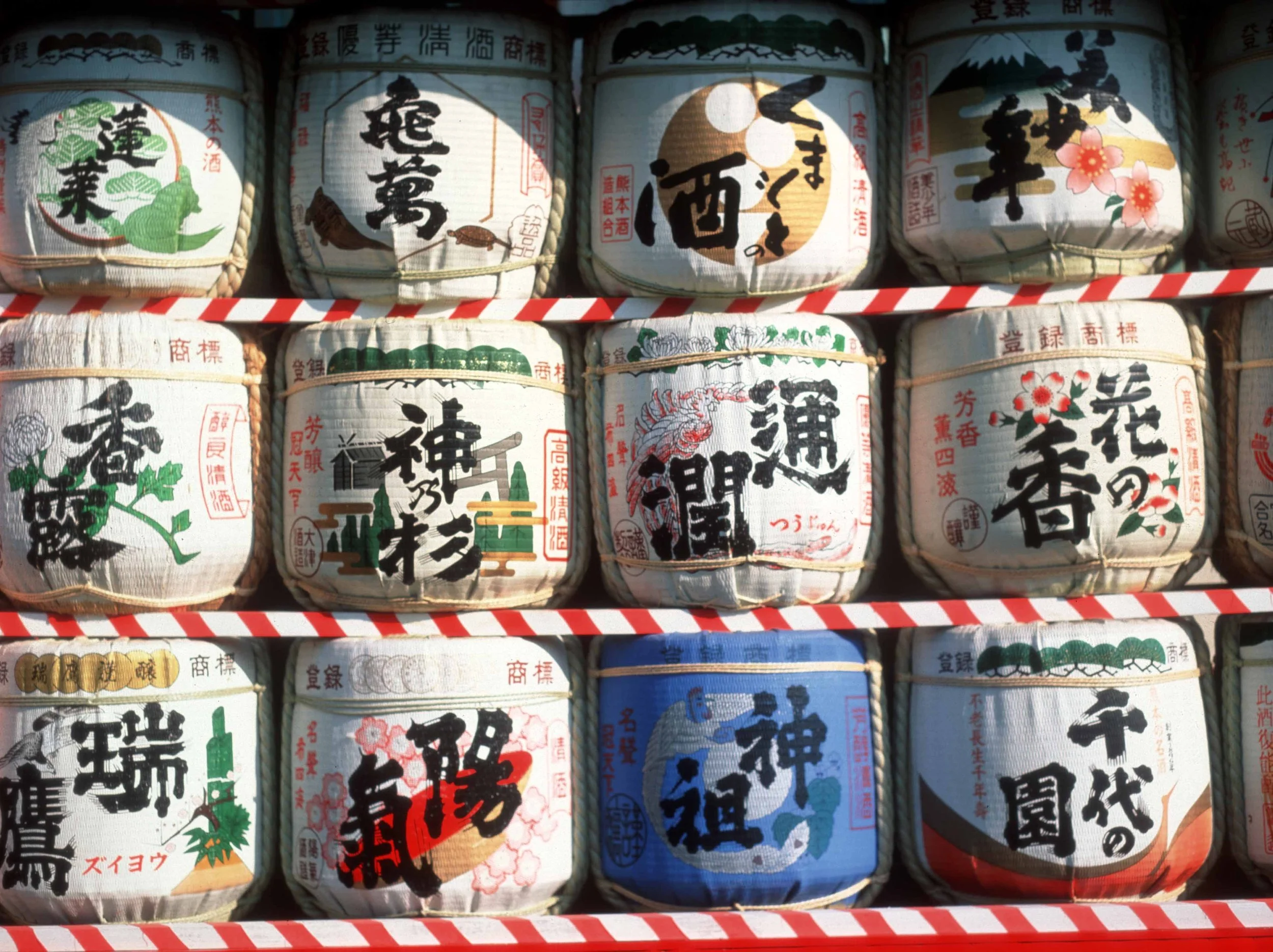
Sake - traditional rice alcohol drink with 18-20° proof; it is drunk and used in culinary applications.
Sambaizu - is a vinegar-based seasoning that serves as a versatile dressing and marinade, traditionally made from a blend of rice vinegar, sugar, and soy sauce.
Sansho or kona-zanshō - a spice used in Korean and Japanese cuisine that comes from the peppercorns of the Japanese pepper plant, also known as the Japanese prickly ash. They have a similar tingly citrus flavor to Sichuan peppercorns.
Sashimi - dish made of fresh raw fish and shellfish, sliced and placed on plates.
Satoimo - a type of potato that is also known as “taro,” and is thought to have been a staple food in Japan before rice cultivation began.
Satsuma-age- fish balls, fried in sesame oil.
Shoga - fresh ginger.
Shojin ryori - a traditional Japanese vegetarian cuisine that originated in Zen Buddhist monasteries centuries ago. It focuses on seasonal, plant-based ingredients, prepared with mindfulness. The term "shojin" refers to devotion and diligence, reflecting the cuisine's spiritual roots and its emphasis on cultivating gratitude, compassion, and environmental sustainability.
Shiitake - a brown-capped mushroom native to East Asia that is popular for its umami flavor and meaty texture. Named after the shii tree on which it grows, shiitakes are used in various dishes, from stir-fries to stocks, and are also cultivated for their health benefits.
Shimeji - also called a beech mushroom, this small, firm mushroom grows in clusters on deadwood, often beech trees. Shimeji mushrooms come in brown and white varieties and are excellent in soups, stir-fries, and hot pots.
Shirataki - a type of noodle made from the konjac plant's root, known for being high in fiber and low in calories and carbohydrates. The noodles are gluten-free, and are often used in soups or stir-fries.
Shiro miso - or white miso, is the sweetest and mildest type of miso paste, known for its shorter fermentation period (two to six weeks) and higher ratio of rice to soybeans. Its sweet, slightly salty, and umami flavor.
Shiso - also known as perilla, this aromatic herb is from the mint family, and has a slightly citrusy flavor, similar to a mix of basil, mint, and clove, and comes in green and red varieties, the latter of which is used to color and flavor umeboshi plums and other pickles.
Shitimi togarashi - mixture of 7 spices, which contains chili, sesame, poppy seed, hemp, shiso, sancho and nori. This spice blend is often used as a condiment.
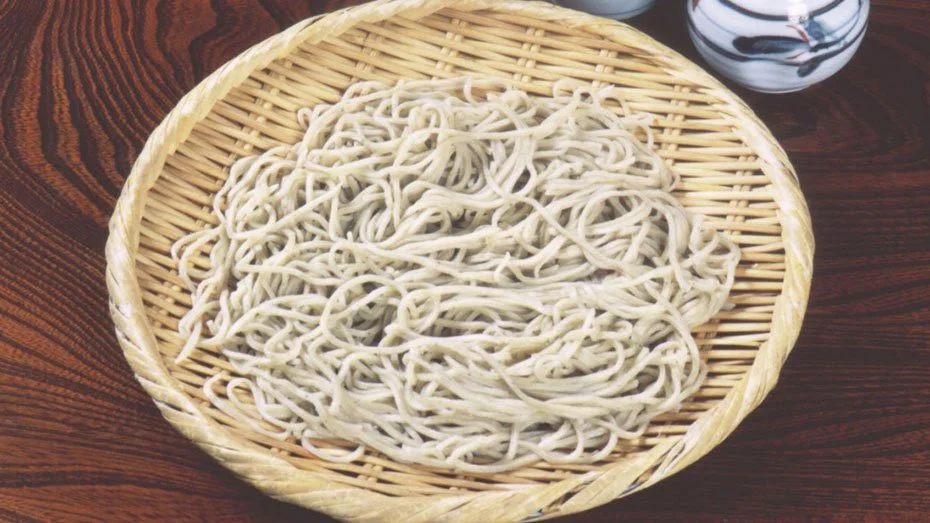
Soba - buckwheat noodles.
Soba tsuyu - a savory Japanese dipping sauce and soup base for soba noodles, made from dashi, soy sauce, mirin, and sake. It can be served hot as a broth (kaketsuyu) with hot soba noodles or chilled as a dipping sauce (tsuketsuyu) for cold soba.
Somen - very thin Japanese wheat noodles.
Sora mame - fava beans.
Sudachi - a small, tart, and aromatic Japanese citrus fruit, used as a seasoning, flavoring for drinks, and garnish, similar to how lemon or lime are used. The name "sudachi" itself is thought to derive from the Japanese words for "vinegar" and "citrus," reflecting its common use in cooking and marinades.
Suika - watermelon.
Sukiyaki - a traditional Japanese one-pot dish of thinly sliced beef, vegetables, and tofu simmered in a sweet and savory nabemono (hot pot) broth made with soy sauce, sugar, sake, and mirin.
Sumomo - apricot.
Su-meshi - also known as sushi-meshi or shari, this vinegared rice is used as the foundation for sushi. It's prepared by seasoning freshly cooked short-grain white rice with a mixture of rice vinegar, sugar, and salt.
Sushi - a traditional Japanese dish made with vinegared rice combined with various ingredients like raw or cooked seafood, vegetables, and egg. Types of sushi include nigiri and maki.
Suribachi and surikogi - a Japanese-style mortar and pestle. The suribachi is a ceramic mortar with ridged grooves while a surikogi is its corresponding wooden pestle used for crushing ingredients like sesame seeds, nuts, and spices.
Sencha - the most popular type of green tea in Japan, made from whole tea leaves that are steamed, rolled, and dried. Grown in full sunlight, sencha is known for its vibrant green color, fresh grassy, citrusy flavor, and a balance of sweetness and bitterness.
Shungiku - a leafy green in the chrysanthemum family used in Japanese hot pots like sukiyaki and shabu-shabu, as well as salads and stir-fries.

T
Takanotsume - a spicy chili pepper commonly used in Japanese cooking.
Tako – octopus.
Takuan - a pickled daikon radish, known for its sweet, salty, and tangy flavor and crisp, crunchy texture. The daikon is traditionally sun-dried and then fermented with salt, rice bran, and kombu, resulting in a bright yellow color.
Take-no ko - fresh bamboo sprouts.
Tamari - Tamari is a dark, savory Japanese condiment similar to soy sauce but traditionally made with 100% soybeans and little to no wheat, making it a naturally gluten-free option.
Temaki - Temaki, or hand roll sushi, consists of vinegared rice and various fillings—like raw fish, cooked seafood, or vegetables—wrapped in a cone-shaped sheet of nori.
Teppanyaki - a style of Japanese cuisine and cooking where a chef grill meats, seafood, and vegetables on a large, flat iron griddle, called a "teppan," in front of diners. "Yaki" means "grilled" or "pan-fried". Teppanyaki is known for its interactive and entertaining dining experience, as chefs often perform cooking tricks and feats of skill while preparing the meal.
Togarashi - a seven-spice blend containing red chili pepper, orange peel, sesame seeds, seaweed, and other ingredients.
Tororo (see also yama-imo) a dish made from raw, grated Japanese mountain yam with a sticky, viscous texture, eaten raw, or served on rice, with noodles, or in soups.
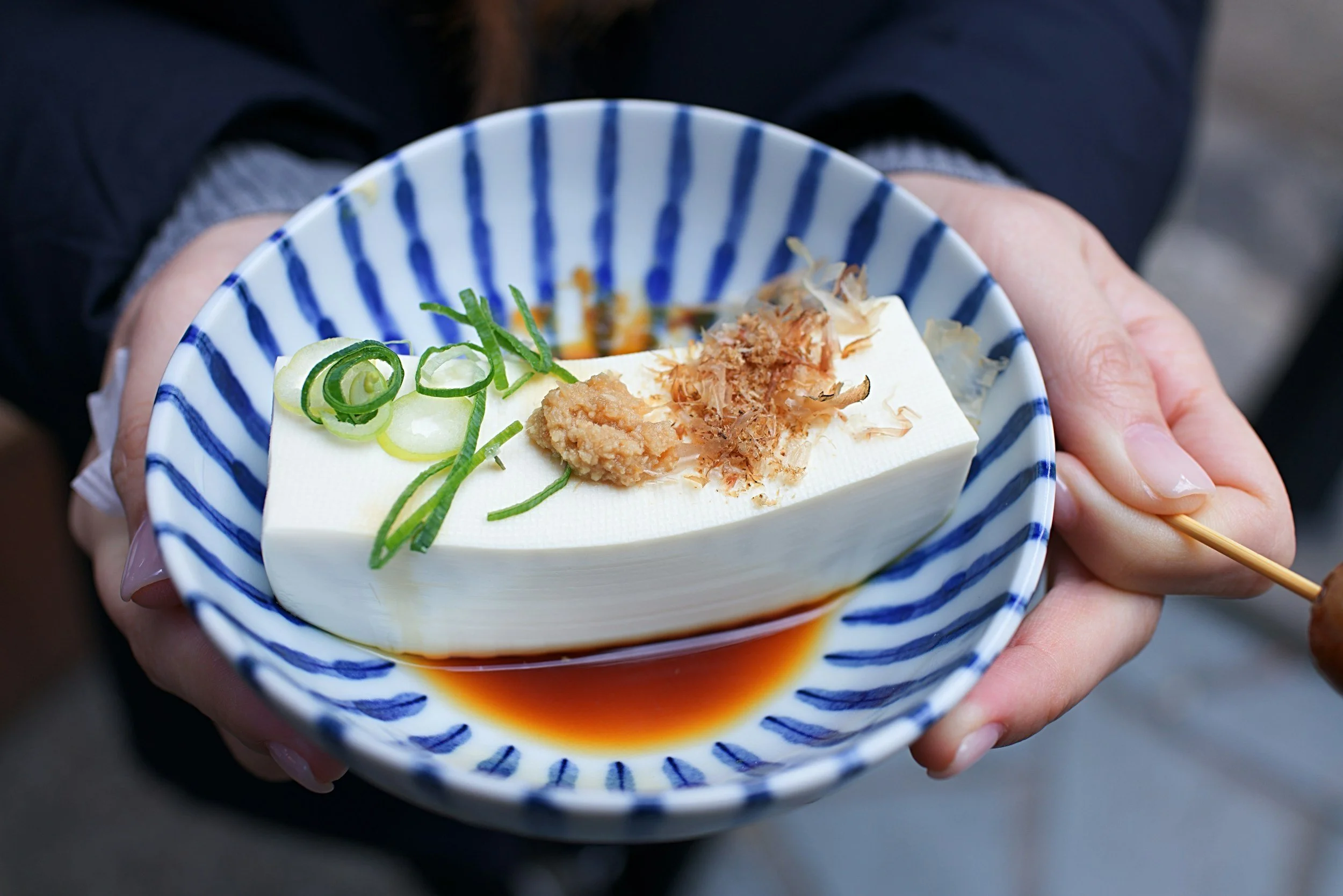
Tofu - a soft, white curd made from soy milk that has been coagulated and pressed into blocks. It is a staple in Asian cuisines and is now widely used in other countries as a vegetarian protein source. Tofu has a mild, neutral flavor and a versatile texture that can range from soft and creamy to firm, allowing it to absorb the flavors of marinades and spices.
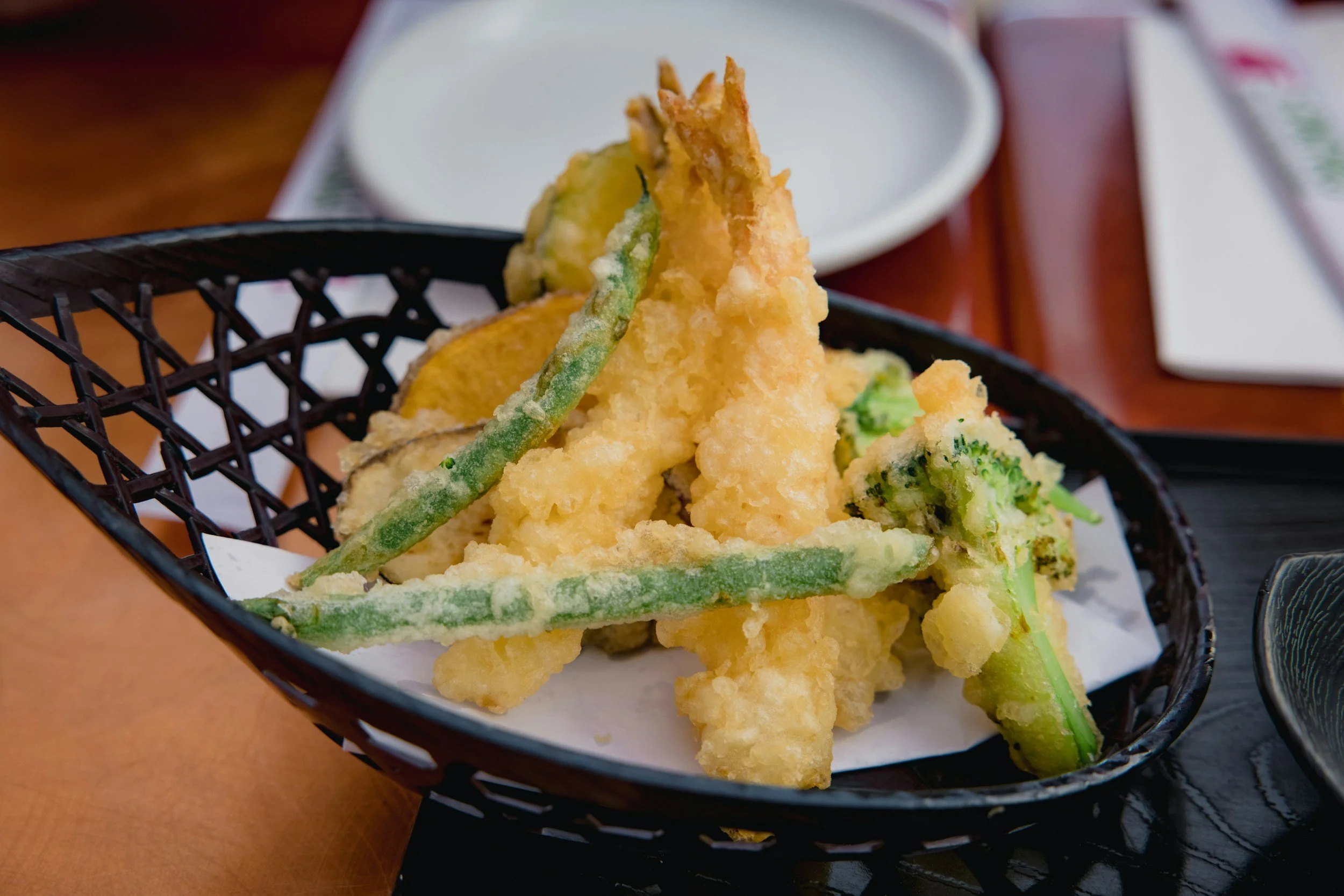
Tempura - lightly battered and deep-fried seafood and vegetables, prepared with a light batter that is kept very cold to achieve a crispy texture. It is typically served with dipping sauces and is a popular item in various forms, including on rice bowls, with noodles, or as part of a set meal.
Tsukemono - pickles made from vegetables preserved in various brines and seasonings, such as salt, vinegar, rice bran (nuka), or sake lees. They are a vital part of traditional Japanese meals, served as palate cleansers, side dishes, and condiments to provide contrast and balance to the meal's flavors and textures.
Tsuma - any edible garnish, such as shredded daikon radish, seaweeds, or chrysanthemum flowers, used to embellish a sashimi presentation. It acts as a palate cleanser between different types of fish.
U
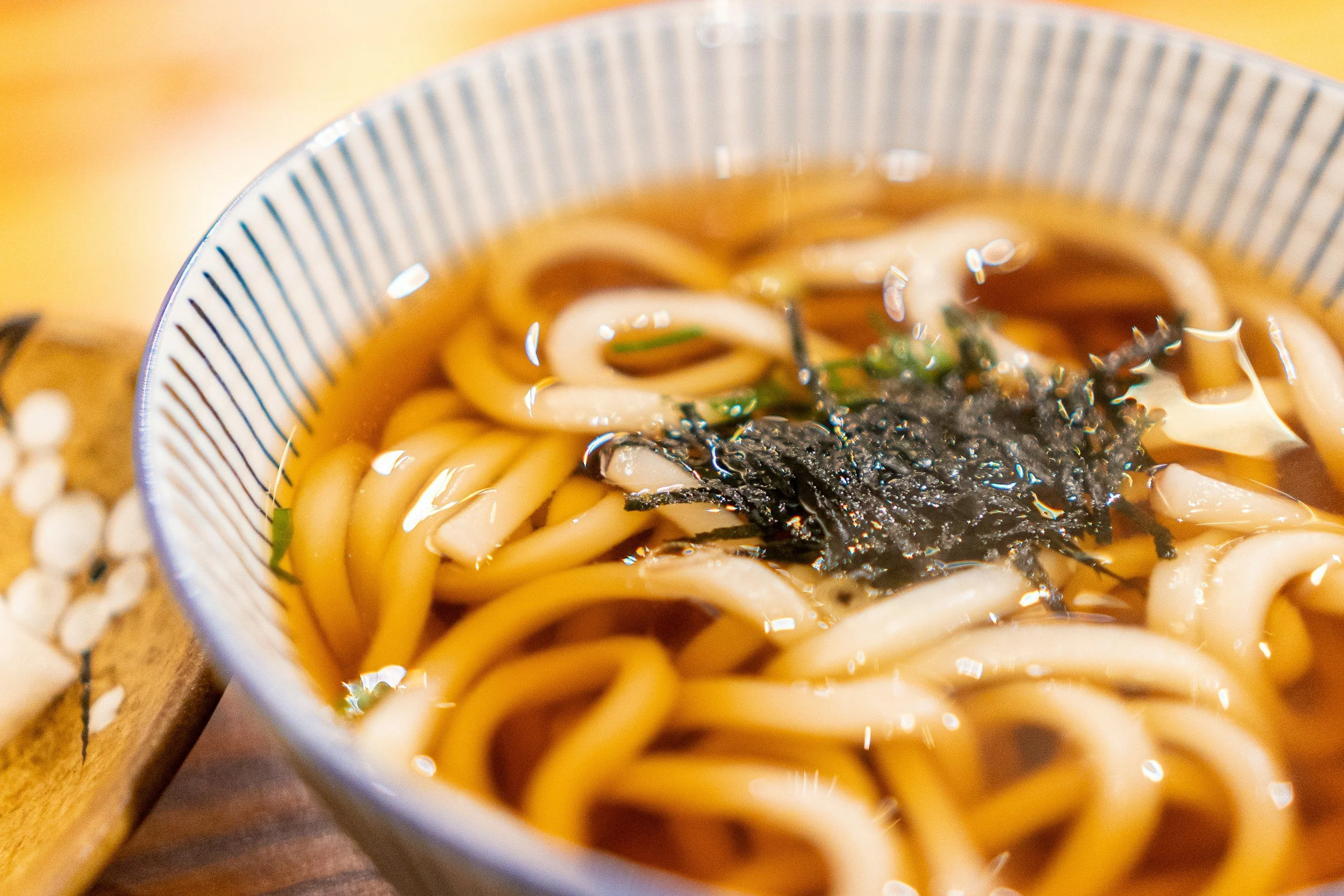
Udon - Japanese wheat noodles.
Ume - plum.
Umeboshi - pickled ume plums, that are salt-dried and often flavored with red shiso leaves for color. They have an intense, sour, and salty flavor due to the pickling process and are a traditional Japanese food used as a condiment for rice, in onigiri (rice balls), and bento boxes. Umeboshi are also regarded as a folk remedy for various ailments, such as aiding digestion and boosting immunity.
Usukuchi - a type of Japanese soy sauce, also known as light soy sauce because of its amber color and higher salt content compared to typical soy sauce.
W
Wakame - a species of kelp with a subtly sweet, but distinctive and strong flavor and satiny texture. It is most often served in soups and salads.
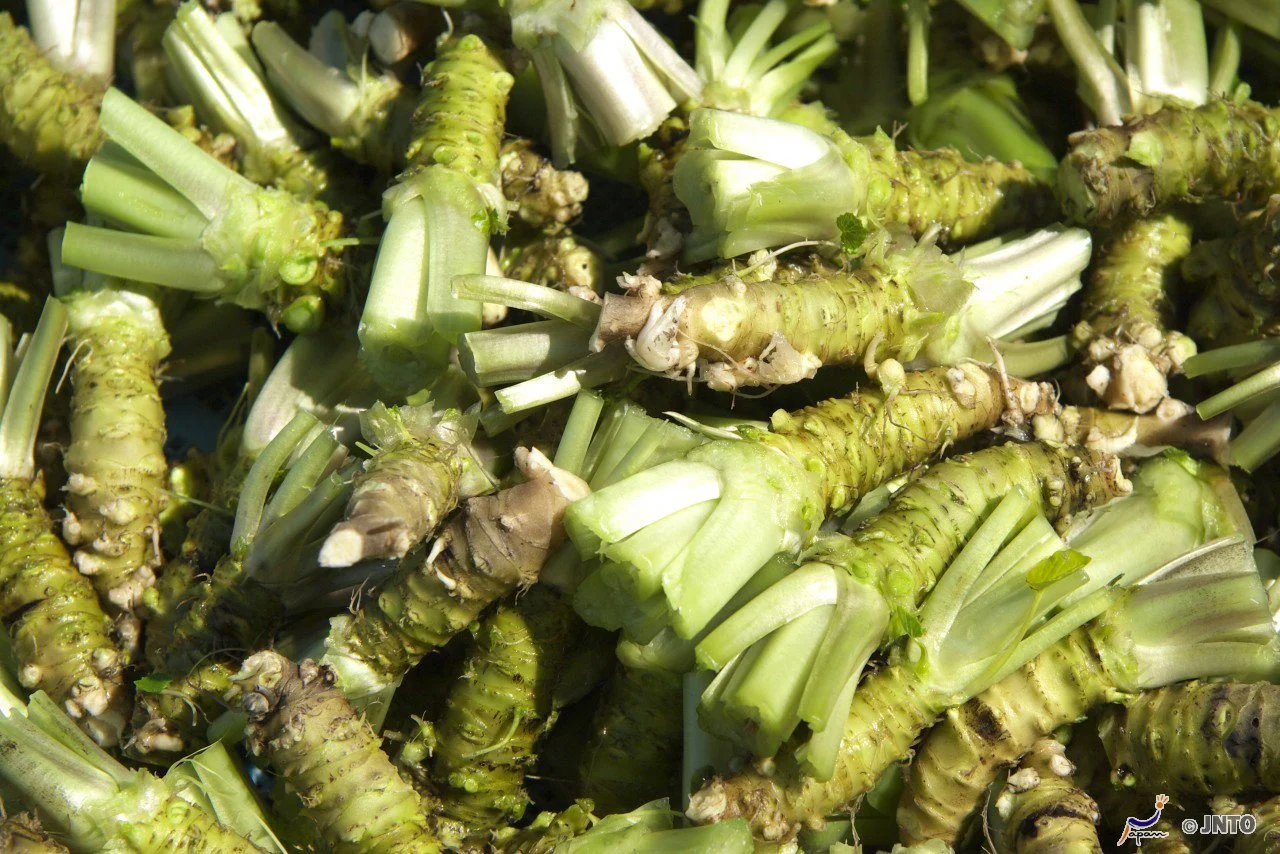
Wasabi - a spicy green paste made from wasabi root, also known as Japanese horseradish. Wasabi is served as a pungent condiment for sushi, sashimi, noodles, and more.
Y
Yuba - dried or fresh tofu skin, made as a by-product of soymilk production. It is used in various dishes like soups, stews, and dumplings. Yuba is protein-rich and has a pliable, soft, chewy texture.
Yuzu - an aromatic, tart citrus fruit, known for its complex flavor that combines lemon, mandarin, and grapefruit notes with floral undertones. It resembles a small, bumpy lemon and is used in a variety of dishes, including sauces, desserts, and drinks.
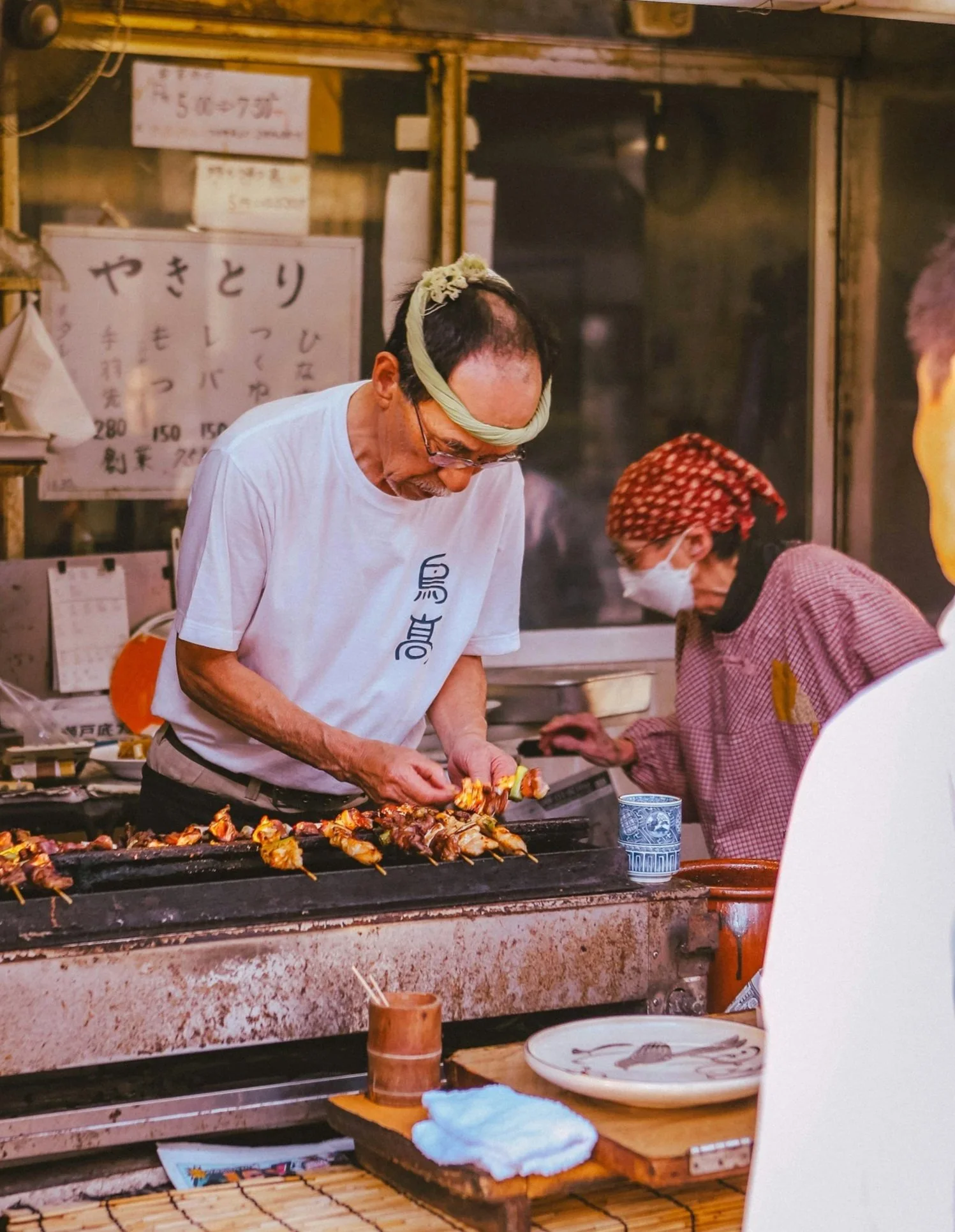
Yakitori - chicken cooked on a skewer over a charcoal fire and seasoned with tare sauce or salt.
Z
Zashiki - a traditional Japanese dining arrangement in a restaurant where diners sit on tatami mats on the floor at a low table, often on cushions called zabuton. Guests remove their shoes before entering the zashiki room to maintain cleanliness and show respect. This seating style is commonly found in traditional Japanese restaurants, izakayas, and for group dining.