
Saikyo Miso-Marinated Golden Pomfret
By Hiroko Shimbo Beitchman
August 29, 2026
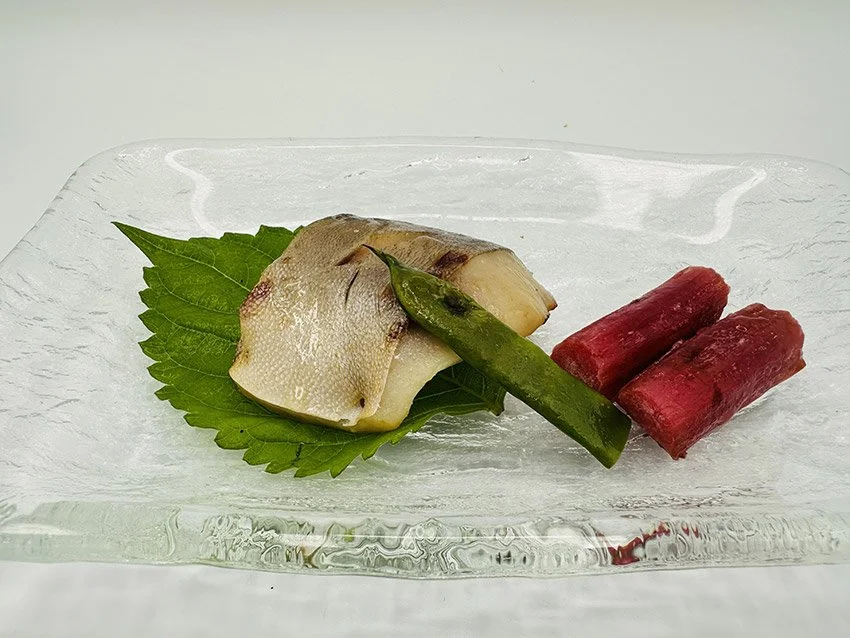
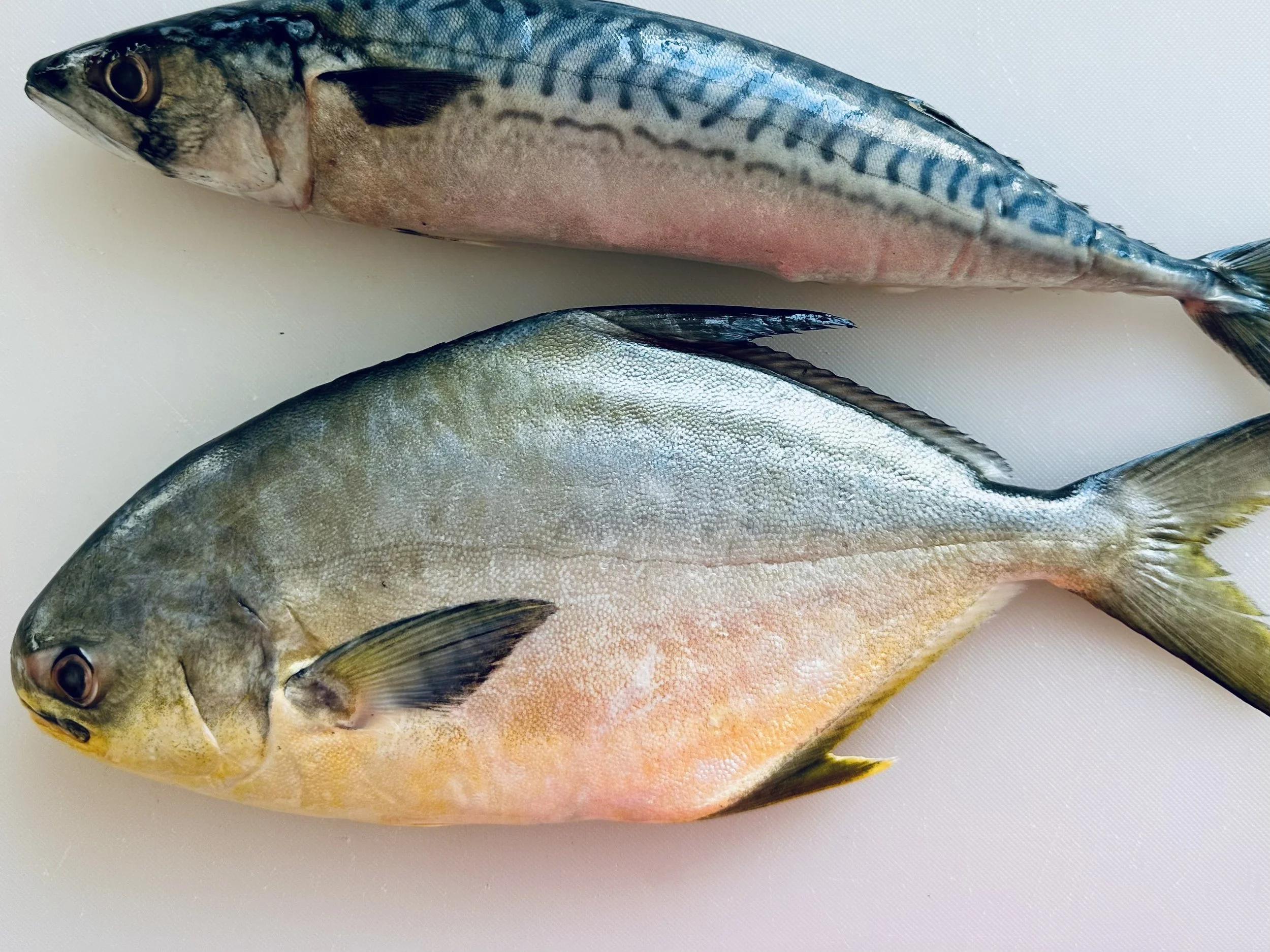
I have preferred cooking methods for particular fish. Saba (mackerel) should be gutted, filleted, and either salt-grilled or quickly simmered in aged miso to highlight its rich, oily flavor. Iwashi (sardine) should be salt-grilled with its intestines intact, provided the fish is exceptionally fresh, or gutted and simmered in an umeboshi (salt-pickled plum) flavored broth. Managatsuo (Japanese silver pomfret) has a mild, sweet flavor and a meaty yet flaky texture, making it particularly well suited for Saikyo miso-yaki.
Some Miso History
Miso has been one of the most important seasonings in the Japanese kitchen for centuries. The earliest known forms of miso used in the Imperial Court date to the eighth century. Throughout Japanese history, miso served not only as a seasoning and condiment but also as a preservative and marinade. According to Japan's Ministry of Agriculture, Forestry and Fisheries, the Hikone domain, present-day Shiga Prefecture, presented miso-marinated beef to the shogunate in 1781 as a medicinal food, at a time when the slaughter of cattle and horses for consumption was prohibited. References to fish preserved and flavored with miso, however, appear much earlier.
Many people in America remember an era of excessively sweet miso-marinated fish. The dish is often called "miso-marinated cod," although it is typically prepared with gindara (black cod) rather than true cod. Some restaurants have also adapted the preparation for fish such as Patagonian toothfish. Both of these fish share a rich, buttery texture and respond well to the sweet miso cure. In those versions, chefs often added large amounts of sugar to salty yellow miso or Shinshu miso to create the marinade. Traditional Saikyo-yaki marinade, however, relies on naturally sweet Saikyo miso from Kyoto, blended with sake and mirin. The result is a grilled fish with balanced sweetness, salinity, and umami that enhances rather than masks the fish's natural flavor.
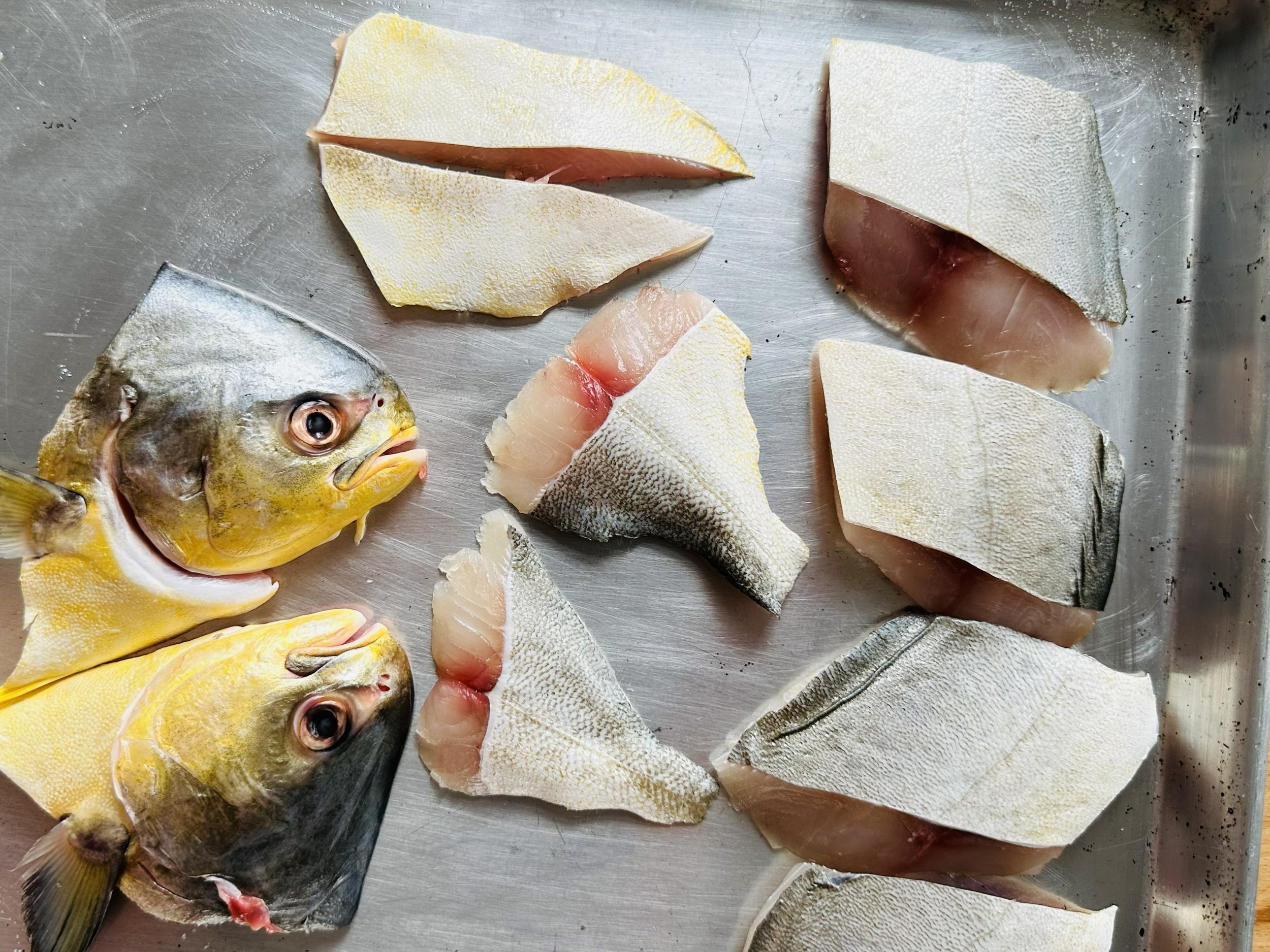
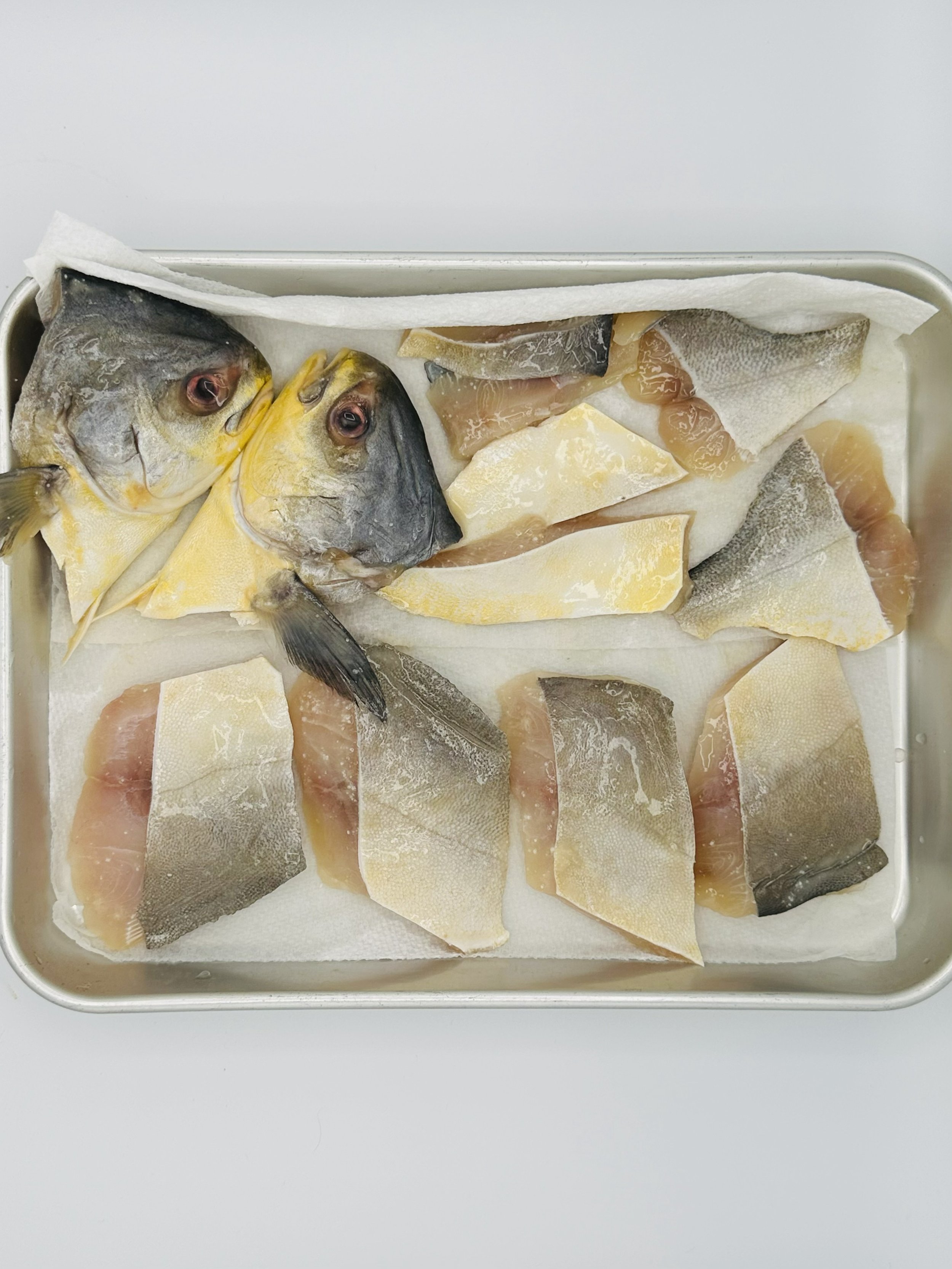
Saikyo Miso-Marinated Golden Pomfret Recipe
In this recipe, I use yellow pomfret from the waters off Florida or Georgia, but other fish work just as well. Fatty fish such as salmon, gindara (black cod), Patagonian toothfish (when sourced from well-managed fisheries), and Spanish mackerel go particularly well with a Saikyo miso-yaki.
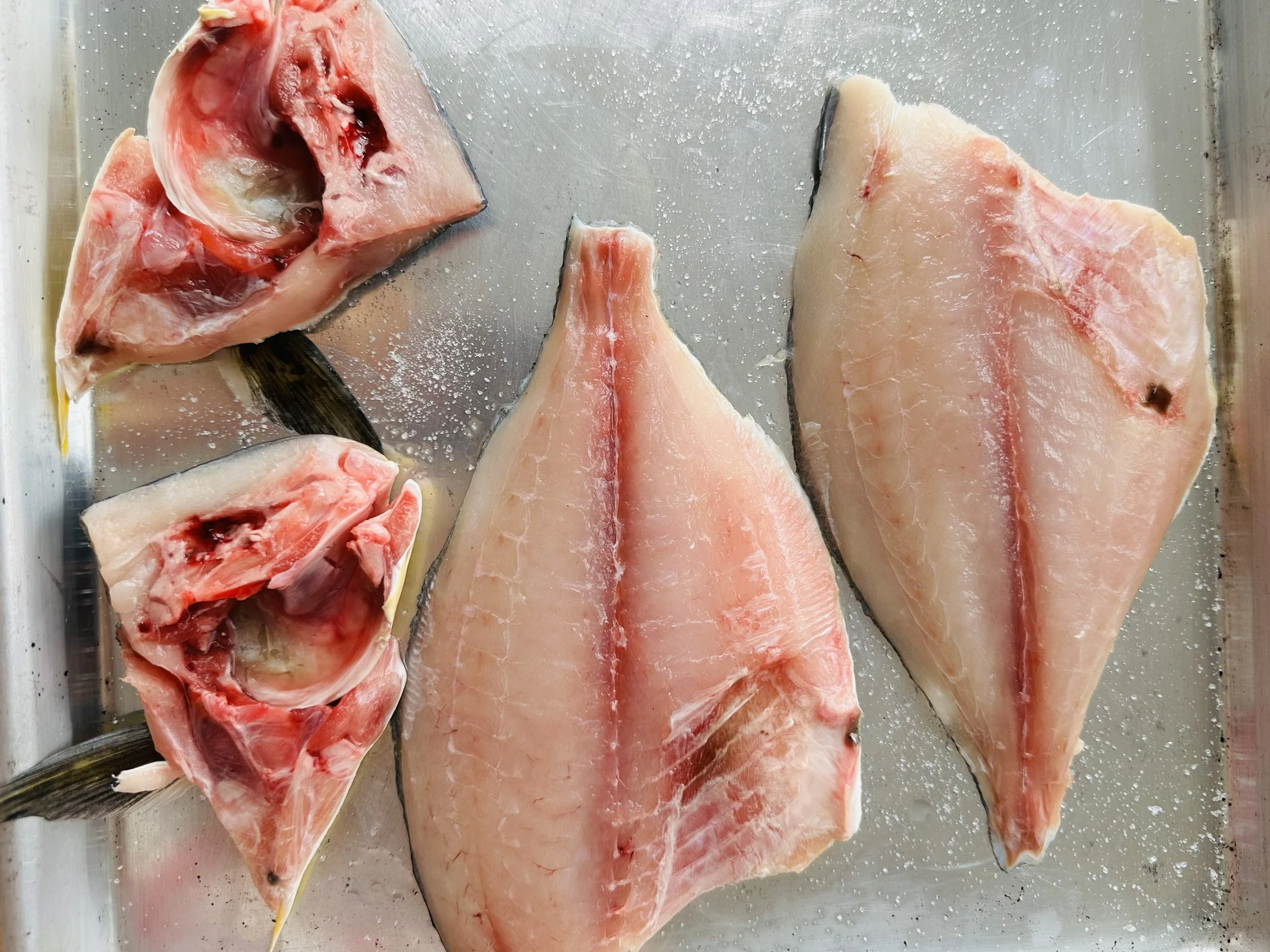
After gutting and filleting the fish, lightly salt it and let it rest for 20 minutes before marinating. This step firms the flesh, removes excess moisture, and helps the fish absorb the miso marinade more effectively.
To use sake and mirin in the marinade, gently heat them to remove the alcohol before adding them to the miso. This process is known as nikiri sake and nikiri mirin. Removing the alcohol creates a smoother flavor and allows the sweetness and umami of the seasonings to come through more clearly.
Serves 3 to 4
Ingredients
1 whole yellow pomfret, 1½ to 2 pounds (680 to 900 g)
Sea salt
2 tablespoons (30 ml) nikiri mirin
2 tablespoons (30 ml) nikiri sake
10 ounces (300 g) Saikyo miso
Procedure:
Rinse, gut, clean, and fillet the fish. Pat dry with paper towels and place on a sheet pan. Lightly salt both sides and refrigerate for 20 minutes.
Prepare the nikiri mirin and nikiri sake. To yield 30 ml each of nikiri mirin and nikiri sake, start with approximately 36 ml of mirin and 36 ml of sake. Place each liquid in a separate small saucepan and bring to a gentle simmer over medium heat. Simmer for 30 to 60 seconds, or until the alcohol aroma dissipates. Remove from the heat and cool.
In a bowl, combine the Saikyo miso, nikiri mirin, and nikiri sake until smooth. For a looser marinade or a shorter marinating period, increase the amounts of mirin and sake slightly.
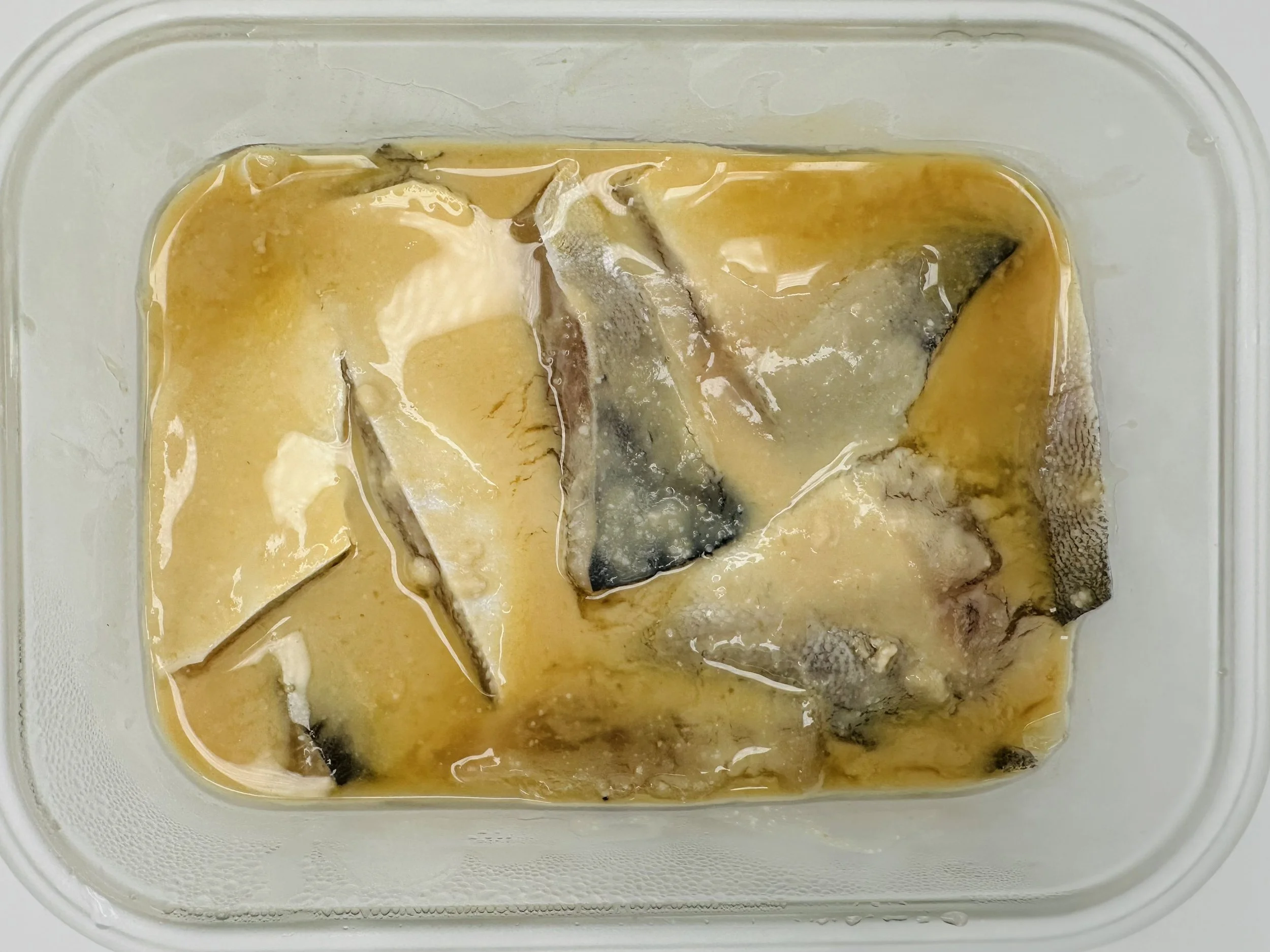
Quickly rinse the salted fish in cold water. Drain well and pat thoroughly dry with paper towels. Coat the fish completely with the miso mixture and refrigerate for 2 to 3 days. Thin fillets require less marinating time, while thicker fillets benefit from a longer cure.
Remove the fish from the marinade. Do not rinse. Wipe away any excess miso with paper towels. Broil until lightly caramelized and cooked through.
Notes:
The miso marinade can be reused once for another batch of fish if kept refrigerated and handled hygienically. For the next use, add additional miso, mirin, and sake.
Saikyo miso is significantly sweeter and less salty than most other miso varieties. If substituting another type of miso, adjust the seasoning accordingly.
The marinated fish burns quicker than non-marinated fish. While grilling the marinated fish, watch closely and use caution. Always follow food safety temperatures when cooking seafood.