Fermentation, Natto, and the Microbiome
A Conversation with Ann Yonetani
By Hiroko Shimbo Beitchman
July 21, 2026
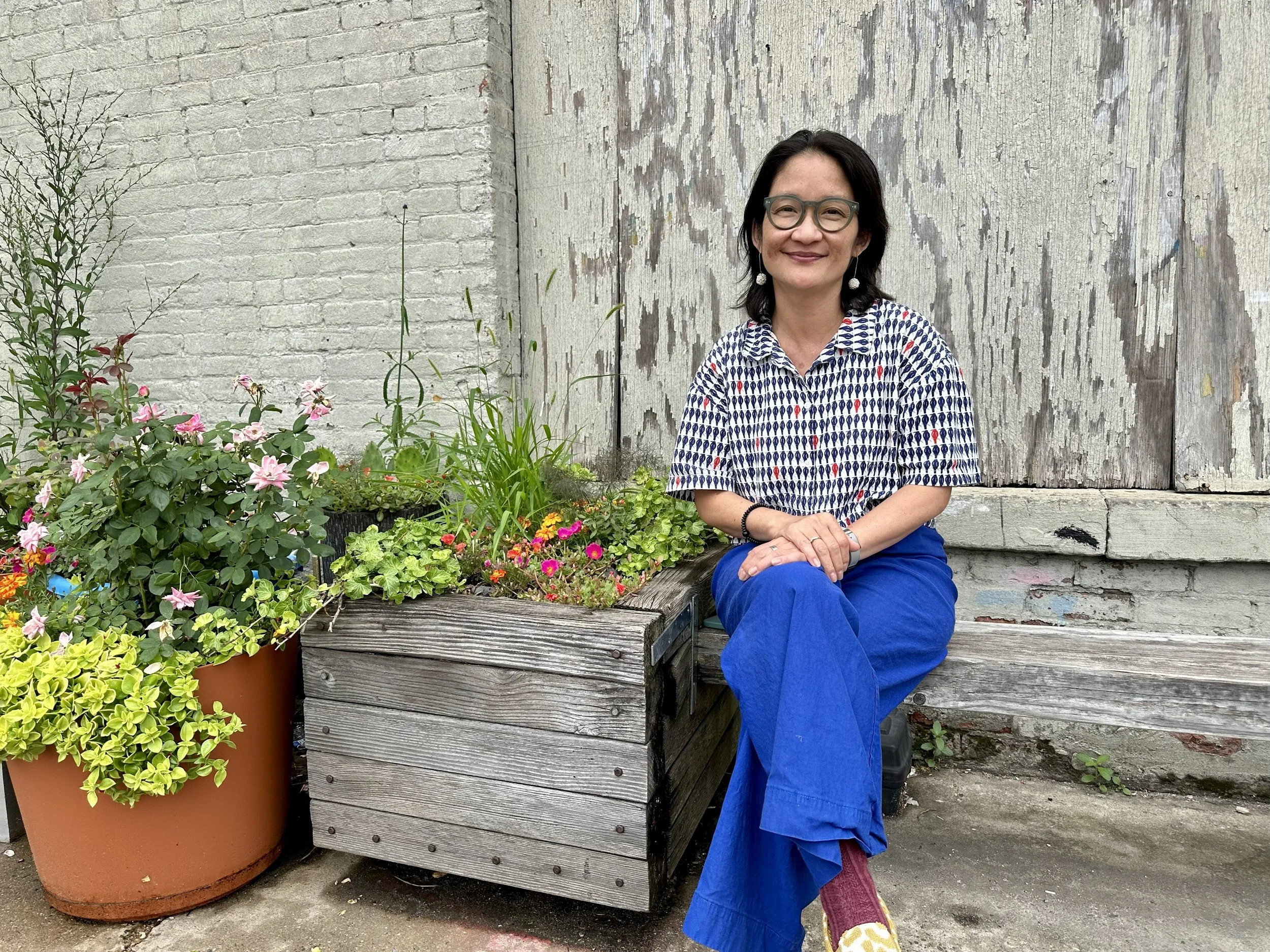
Ann’s path to natto began long before she founded NYrture, a natto producer, in 2014. With a PhD in microbiology from Columbia University, she spent two decades working in research labs, developing a scientific mindset grounded in asking questions, testing hypotheses, and solving problems from first principles. One subject captivated her more than any other: the gut microbiome. The idea that humans are symbiotic organisms, living in partnership with trillions of microbes, shaped her curiosity about how food and fermentation influence health.
Fermentation had always fascinated her – wine, cheese, coffee, kombucha, and kimchi. Natto was familiar from childhood trips to Japan to visit family, but it remained largely unknown in the United States. When she began teaching in the Food Studies Department at The New School, she introduced natto fermentation into her curriculum. Most students were unfamiliar with it. Ann realized there was an opportunity to bring fresh, high-quality natto to New York. That eventually became NYrture. The name NYrture is a blend of “NY” and “nurture”, reflecting her hope that this product supports and nourishes the health of the people.
Her scientific training deeply influences her approach to fermentation. Years in the lab taught her to think systematically and precisely, skills that proved invaluable when developing a consistent, safe, and high-quality natto production method.
Natto Production
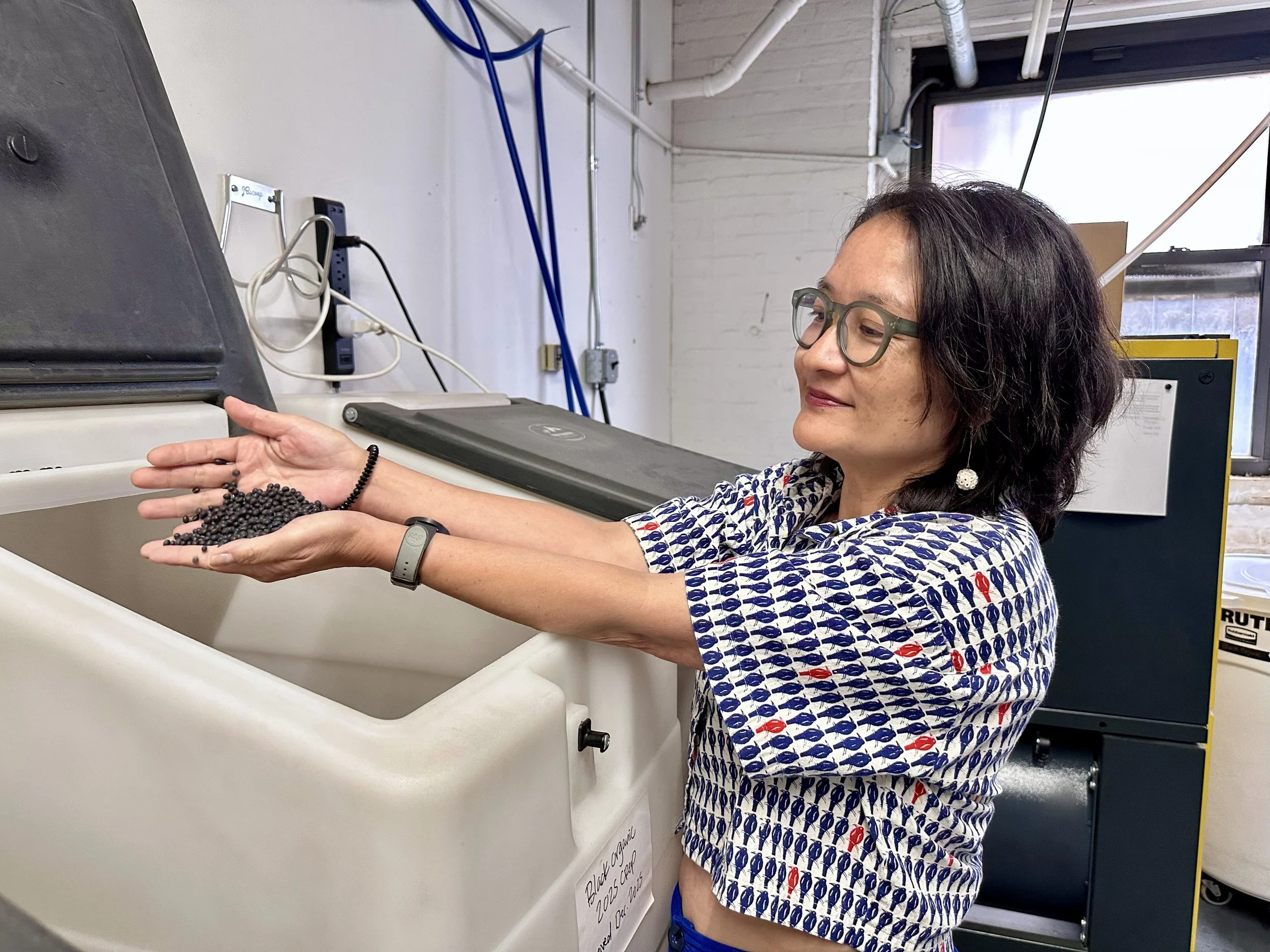
Natto requires a very specific type of soybean. The ideal beans are small with thin skins, allowing Bacillus subtilis var. natto to ferment them efficiently and evenly. At NYrture, the beans are pressure-cooked, then sprayed with a hot solution containing the natto bacteria. The inoculated beans ferment for about 24 hours at high humidity and above 100°F, the optimal temperature for natto’s characteristic transformation.
Glass Jar Packaging
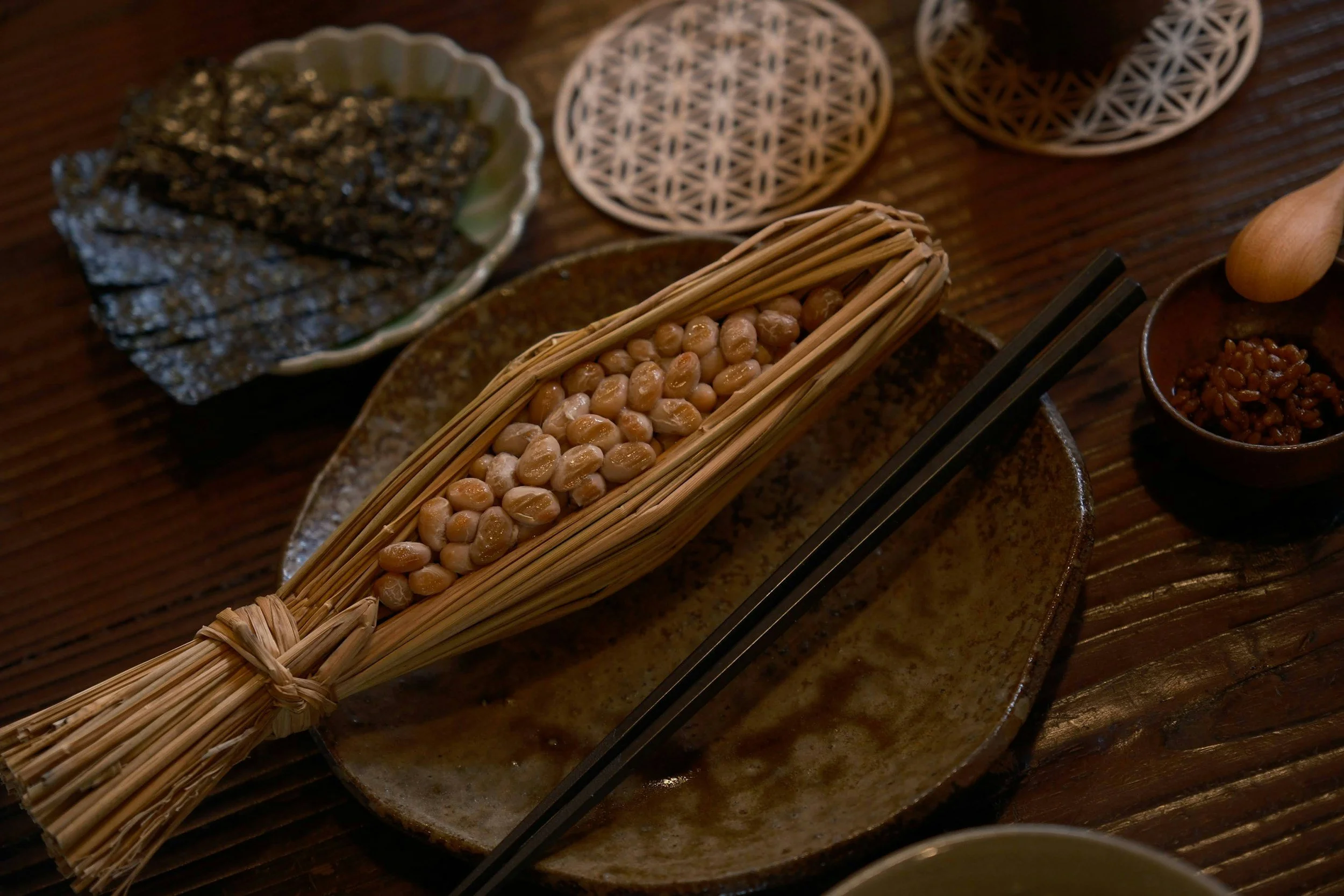
Traditional Japanese natto was wrapped in rice straw, which naturally regulates oxygen and moisture. Modern Japanese producers typically use Styrofoam – convenient but environmentally unfriendly. Ann chose glass jars despite the higher cost and fragility. Glass allows for thorough sanitation and creates a clean, sealed environment that extends freshness. While most fresh natto in Japan lasts about one week, NYrture natto lasts up to two months refrigerated. The packaging reflects her commitment to quality, sustainability, and safety.
Alkaline Fermentation
Most fermented foods – yogurt, sauerkraut, kimchi, cheese, sourdough – rely on lactic acid fermentation. Some of those products also use salt to suppress unwanted microbes, resulting in sour, salty (if salt is used) flavors with a low pH.
Natto is different. It is an alkaline fermentation driven by B. subtilis, a remarkably strong microbe that breaks down proteins and produces ammonia, raising the pH. During fermentation, the bacteria also produce polyglutamate, a sticky biofilm responsible for natto’s signature “neba neba” texture. Together, the alkaline environment and the polyglutamate matrix create a naturally safe fermentation space, one that suppresses pathogens such as E. coli and Salmonella. Interestingly, the skincare industry has begun exploring polyglutamates for their exceptional natural moisturizing properties.
Gut Health
Our intestines contain an astronomical number of microbes that form a complex community influencing digestion, immunity, inflammation, metabolism, mood, and overall health. Natto is one of the most effective probiotic foods, delivering live beneficial microbes that will survive digestion efficiently.
B. subtilis is especially powerful because it can exist in two forms. Active cells, which grow and divide, and spores, which are in a dormant, highly resilient state. Spores can withstand conditions like stomach acid or even radiation indefinitely without food, water, or air. Once they reach the gut, they can resume growth and support the entire microbiome.
Natto also supports bone health, cardiovascular health, and has anti-inflammatory properties. Many people notice immediate improvement in digestion and gut function. In the longer term, others also report improvements in bone density scans, and lipid and blood tests.
Natto Made in NYC
New Yorkers have responded surprisingly well. Natto is not for everyone, but today’s consumers are adventurous and increasingly focused on health through better nutrition, food choices, and eating habits.
NYrture natto is available online at https://www.nyrture.com/, with nationwide shipping and a list of retail stores.
Future Vision
Ann hopes to continue spreading awareness of fresh, delicious, gut-healthy natto made in New York. With extensive scientific research supporting natto’s benefits – including its 9 grams of unprocessed protein per 45-gram serving – she believes natto has the potential to become a future-forward protein source, offering a sustainable alternative to animal protein.
Before we wrapped up our conversation, Ann shared something completely unexpected – a piece of family history that felt almost mythical. Her grandfather had traced their lineage all the way back to the 11th century, discovering that their family descends from Minamoto no Yoshiie (1039-1106). Here, there is even a section that connects the origins of natto to Minamoto no Yoshiie. Hearing this, I felt as if her work with natto isn’t just scientific or entrepreneurial – it is also a continuation of a very old story.