
From the World to Osaka (and Back): Tracing Japan's Curry Obsession, part 3
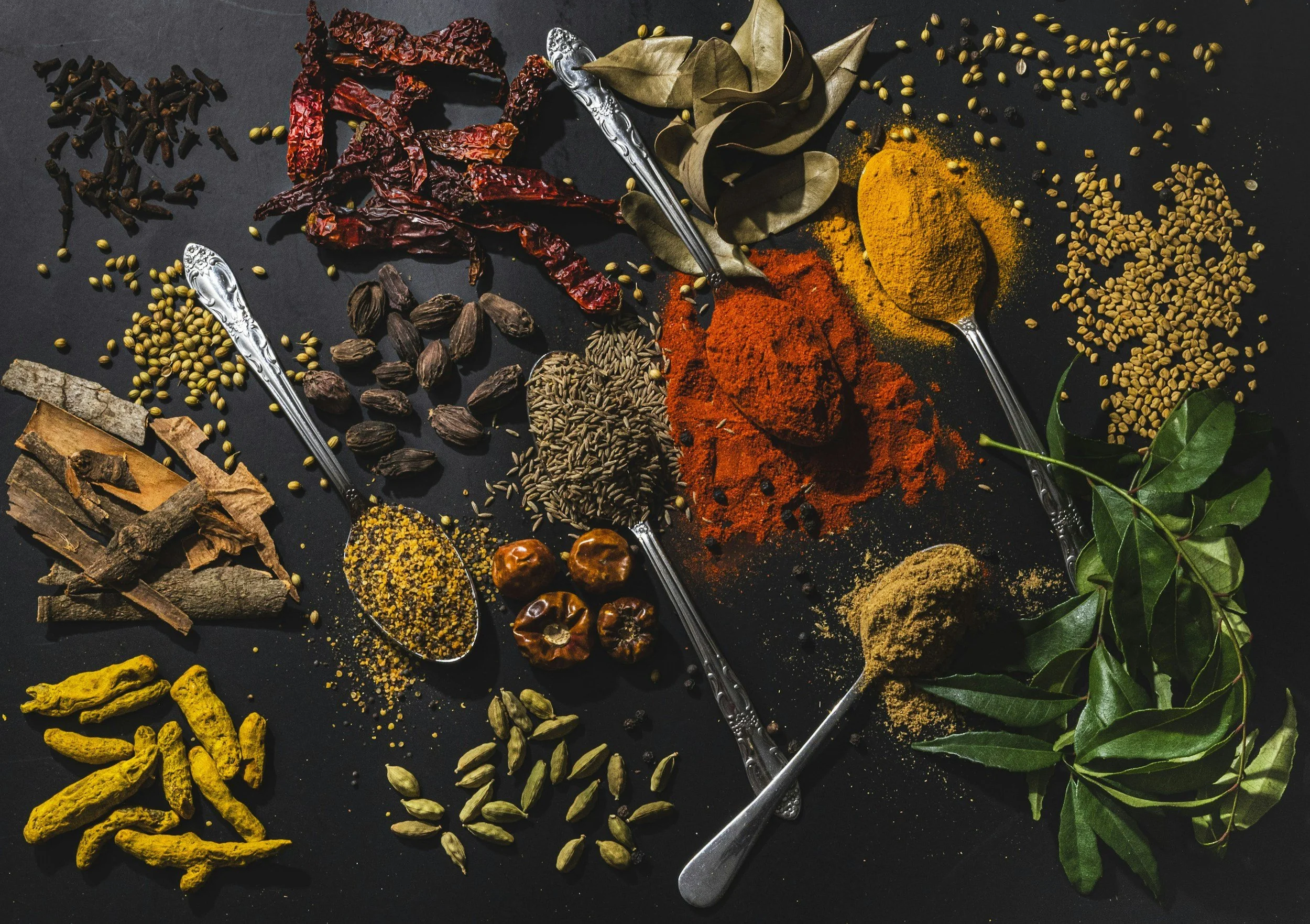
Bye-bye, brown roux. Whole spices are the mainstay in Japan’s second-wave curry.
from Medicine to Modernity
By Sam Lozoff
August 30, 2026
Part 3. Osaka Spice Curry, Tokyo Biryani, and Coco Ichibanya Goes to India.
In Japan, the cuisines of South Asia are on a generational run. More than ever, the flavors of the Indian sub-continent have permeated the country and inspired home-grown interpretations that extend far beyond the brown roux sauces popularized nearly 75 years ago.
And it was “spice curry” – born in Osaka in the early 2000s – that became the new medium of curry expression. It became known for lighter textures, heightened aromatics, and less adherence to a particular country of origin. Chefs began experimenting with plating and flavor combinations rarely seen before in Japanese-operated restaurants.
©ビリヤニ大澤(IG: @BiryaniOsawa)
But what spurred this culinary innovation? In his 2022 retrospective, 'Thrilling Flavor and Striking Visuals: A 30-Year History of the Spice Curry That Captivated a Generation,' food writer Kazuhiro Ono recalls that Osaka’s next-gen curry chefs and aficionados found roux-based curries to be uninspiring and dull. They sought new flavors and found them in restaurants like Ashoka, which served Mughal cuisine, and at Court Lodge in Nishi-Umeda, which was famous for its Sri Lankan fare. The biryani, keema matar, roti breads, and coconut-milk infused curries at these establishments had an outsized impact on Osaka’s first wave of “spice curry” restaurants. Rue Delhi in Shinsaibashi (now relocated to Miyazaki Prefecture) and Kashmir in Kitahama (formerly in Shinsaibashi’s trendy Americamura district) were among the pioneers. Both restaurants served curries influenced by the cuisines of Pakistan, Nepal, India, Bangladesh, and Sri Lanka, and generated huge buzz among spice heads.[1] The downstream effects of the early 2000s migration from South Asia were infusing traditionally straightforward Japanese curry with new life and flavor.
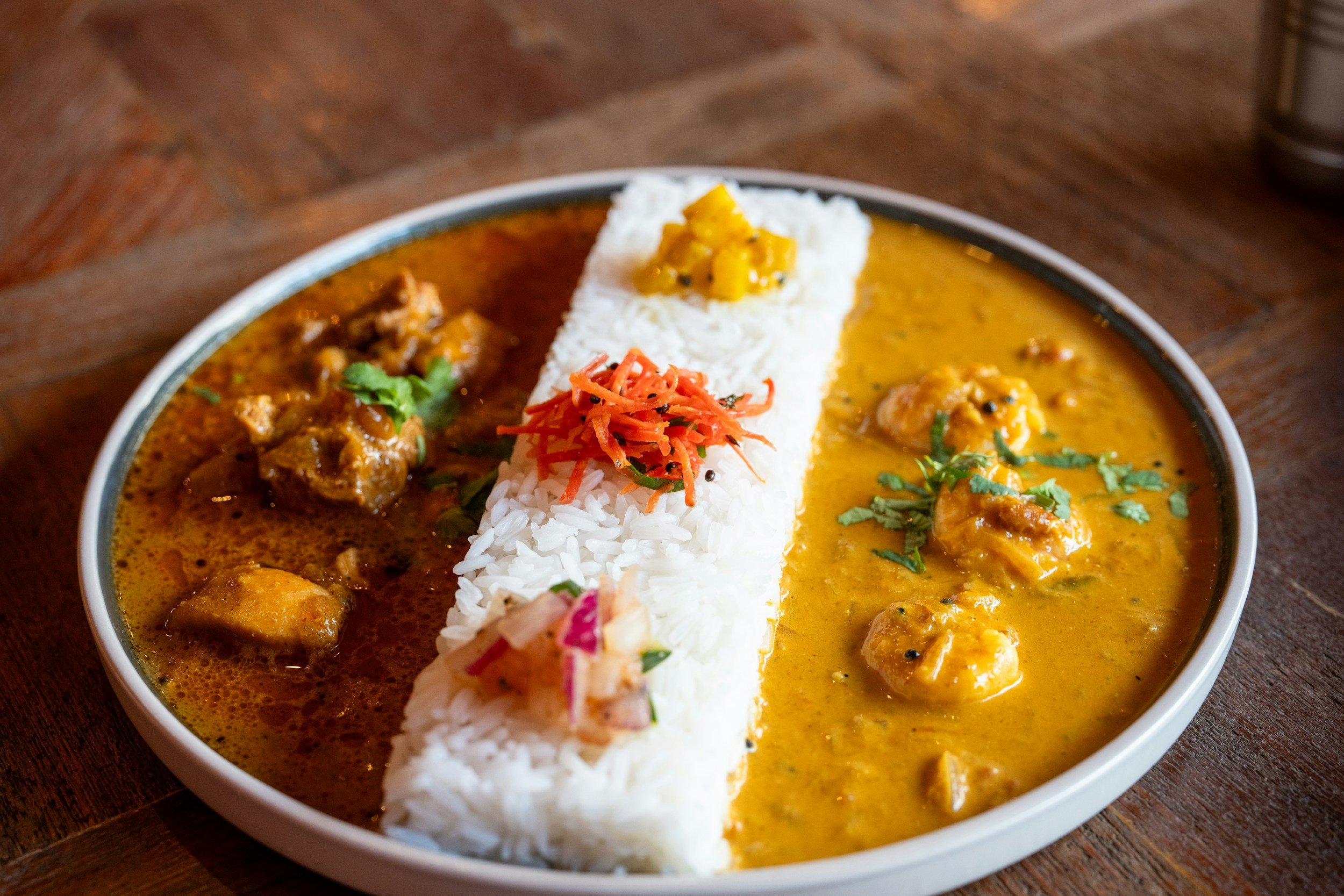
Categorically, Japanese curry no longer featured a single, sweet-and-savory brown gravy, but could come with multiple curries on a single plate, accompanied by vegetable sides, in a style called aigake. In a Pan-Asian joining of forces, you might find achar pickles and Japanese pickled ginger on the same plate, or a dashi-infused dal with a side of potato salad, or an onsen egg atop mutton keema. Any and all rules were thrown out the door.
[1] Ono, Kazuhiro. 刺激的なウマさとド派手なビジュアル 若者たちが虜になったスパイスカレー30年史 https://urbanlife.tokyo/post/28938/
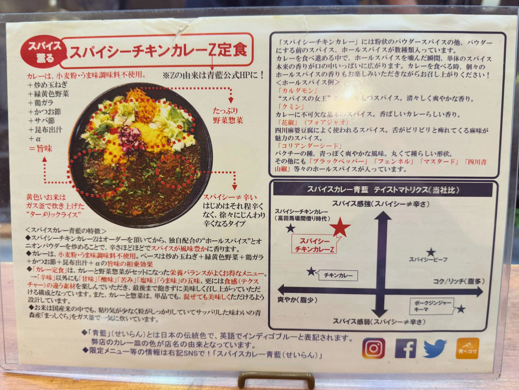
Is there a secret to “spice curry”? Not at the renowned Blue Plate in Tokyo’s Koenji neighborhood. Owner-chef Kenichi Kashida reveals the list of ingredients that go into his “Spicy Chicken Curry Z Set” – and his curry philosophy. At the top he proudly states that he does not use any flour or artificial flavorings like MSG. He goes on to list sauteed onions, yellow and green vegetables, chicken broth, bonito flakes, mackerel flakes, and kombu dashi as the umami backbone of his cooking. On the top right, he lists the whole spices used to aromatize his curry. The list includes staples like cardamom, cumin, coriander seed, black pepper, fennel seed, and mustard seed, but he also incorporates Sichuan Pepper and Japanese Sansho pepper. On the bottom right is the restaurant’s “taste matrix,” which situates each menu item along two axes. The X-axis goes from “Fresh (less fat)” to “Rich (more fat)”, the Y-axis indicates the level of aromatic spice – not to be confused with capsaicin-driven spiciness. A Blue Plate curry finds balance among all flavor components—sweet, salty, spicy, bitter, and umami—with aroma and texture playing critical roles as well. In a follow-up article, I’ll detail some of my favorite curry spots around the country, which of course includes Blue Plate.
Fast-forward to 2026, and Tabelog’s 100 Best Curry lists are dominated by spice curry and South Asian establishments, with only a handful of the traditional roux-based curry houses on the list. The spice curry style has expanded to most major metro areas as well, so you can find delicious renditions in Tokyo, Kyoto, and into the far reaches of the country.
Over the past 30 years, new migration patterns from South Asia to Japan have changed the country’s culinary landscape, introducing a diverse set of regional cuisines to chefs and casual diners alike. For Japanese chefs, this exposure sparked deeper curiosity and understanding of core ingredients, inspiring new takes on an otherwise codified culinary form. In addition to the innovators, however, there are some who have pursued perfection in hyper-specific disciplines of South Asian cuisine. I’m thinking specifically of the Michelin-recognized Biryani Osawa.
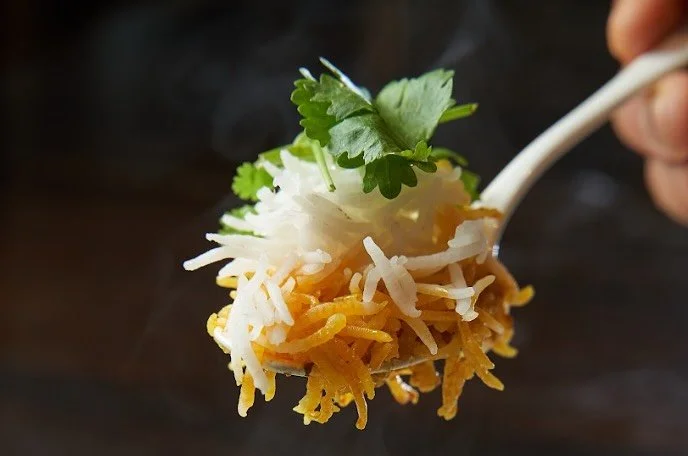
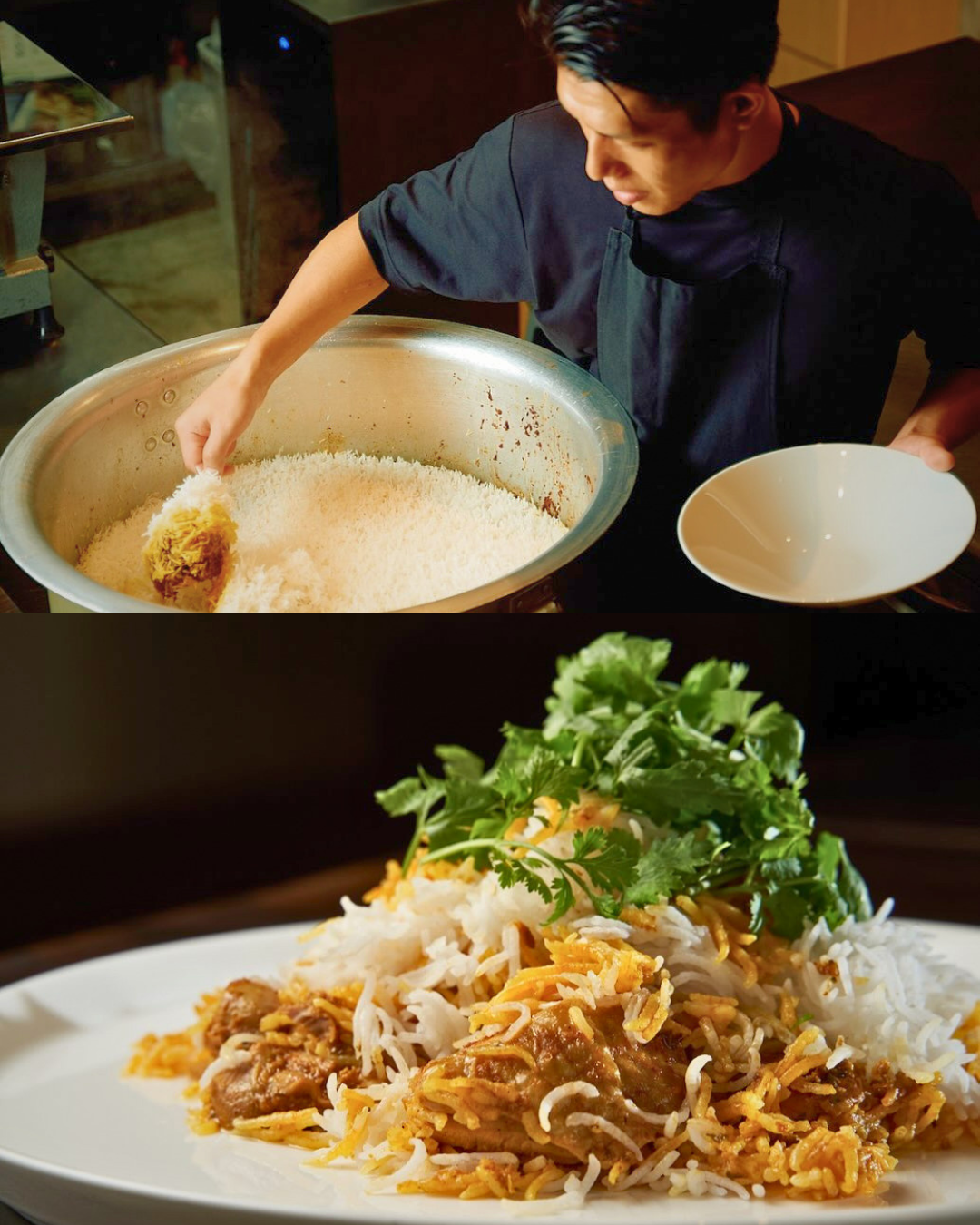
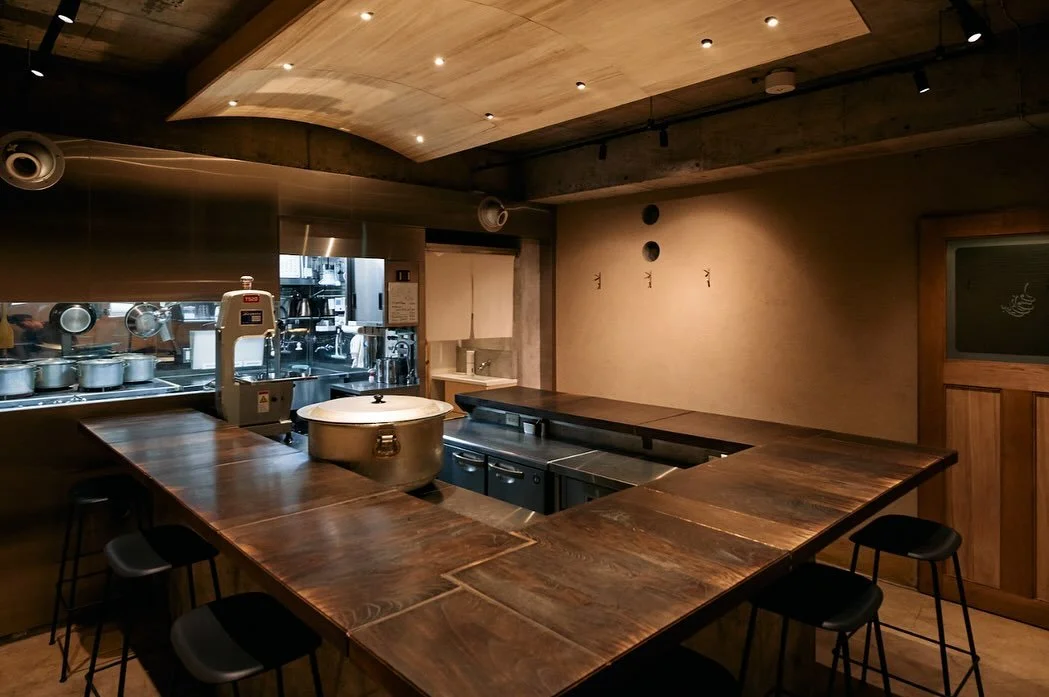
Perhaps it shouldn't be surprising that, in 2026, one of Tokyo's hardest reservations is the 10-seat counter at Biryani Osawa. In Tokyo’s Kanda neighborhood, tucked behind a small sign-post in the fashion of a high-end washoku restaurant, you'll find owner-chef Takamasa Osawa’s tiny biryani outfit. Opened in 2021, Biryani Osawa offers one menu item, biryani, though you can choose mutton or chicken. The rice-based dish traces its roots back to the court kitchens of Mughal royals, though it too has evolved over centuries, becoming a beloved street food all the way from Iran to Malaysia.
In Tokyo however, Osawa serves his biryani only when all guests have arrived for their particular afternoon or evening seating. An enamel fork is the lone utensil and a glass bottle of Coca-Cola is the default beverage option that comes with every plate. This is a nod to the dish’s typical beverage pairing that Osawa encountered during his travels through Southern India. And this dedication to this singular dish landed him a Michelin Bib Gourmand.
The Michelin nod and competitive reservation are just two data points reflecting the restaurant's popularity, but droves of curry-lovers and chefs are tuning into YouTube to learn more about Osawa’s techniques. Esteemed culinary magazineCooking Kingdom’s 50-minute feature on Chef Osawa garnered the most viewing hours of any of its videos in 2025. With a startling 26,000 hours watched, Osawa's biryani tutorial outpaced videos featuring kaiseki master Yoshihiro Murata of Kikunoi and other Japanese culinary titans [2]. This is just another data point, but one that bolsters the argument that the culinary-minded have an ever-growing appetite for studying, devouring, and iterating South Asian cuisine.
[2] 料理王国大賞2026 動画賞 https://cuisine-kingdom.com/youtube-top10-2602/
©ビリヤニ大澤(IG: @BiryaniOsawa)
The story of curry in Japan is far from over. The thick, brown roux popularized during the Showa era now shares a table with aromatic Osaka spice curries and authentic recreations of South Asia’s regional cuisines. Karamucho, the humblest convenience store snack, popularized a taste for gekikara heat, while a global technological crisis opened the doors for skilled IT professionals and chefs from South Asia to bring their time-honored recipes to the Japanese public. You can trace curry’s living history in the tiny, chef-driven spice curry spots in Osaka and the layered biryani pots simmering mere meters away from Tokyo's most coveted counter seats. When Japan's largest curry chain, CoCo Ichibanya, announces plans to expand to over 100 shops in India, it represents the pizza effect: a culinary export from the 19th century returning home in a new, globalized form. Is this just globalization and monoculturalism run amok? Perhaps. But curry, like cuisine in general, is never static. Sometimes, we must stop to appreciate its delicious evolution in real time.
©ビリヤニ大澤(IG: @BiryaniOsawa)